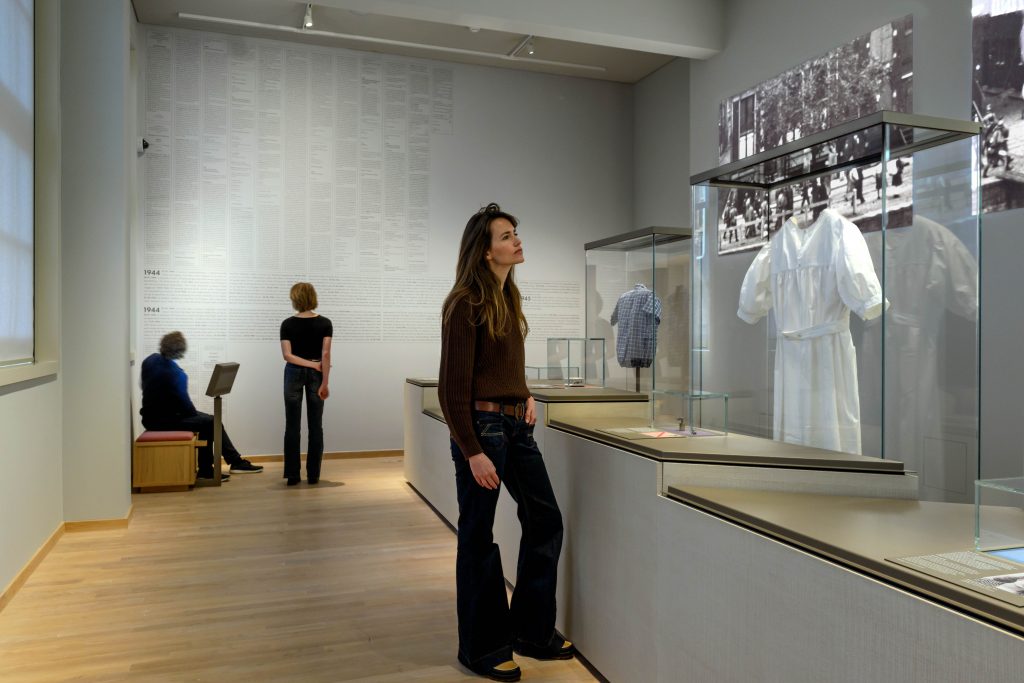
The National Holocaust Museum, part of the Jewish Cultural Quarter Fundation in Amsterdam alongside the Jewish Museum, the Portuguese Synagogue, and the Hollandsche Schouwburg, opened in March 2024. It is dedicated to telling the story of the Holocaust, during which approximately 107,000 of the 140,000 Jews in the Netherlands were deported, with only 5,200 surviving. The museum is housed in a former nursery that, from October 1942, served as an annex to the Hollandsche Schouwburg where Jewish children awaited deportation separately from their parents.
The museum provides a comprehensive narrative of the Nazi persecution and murder of Jews in the Netherlands. It is the first museum to cover the history of Jewish persecution across the entire country. The exhibitions explore the daily life of Jews before and during World War II, the liberation, and the post-war culture of remembrance.
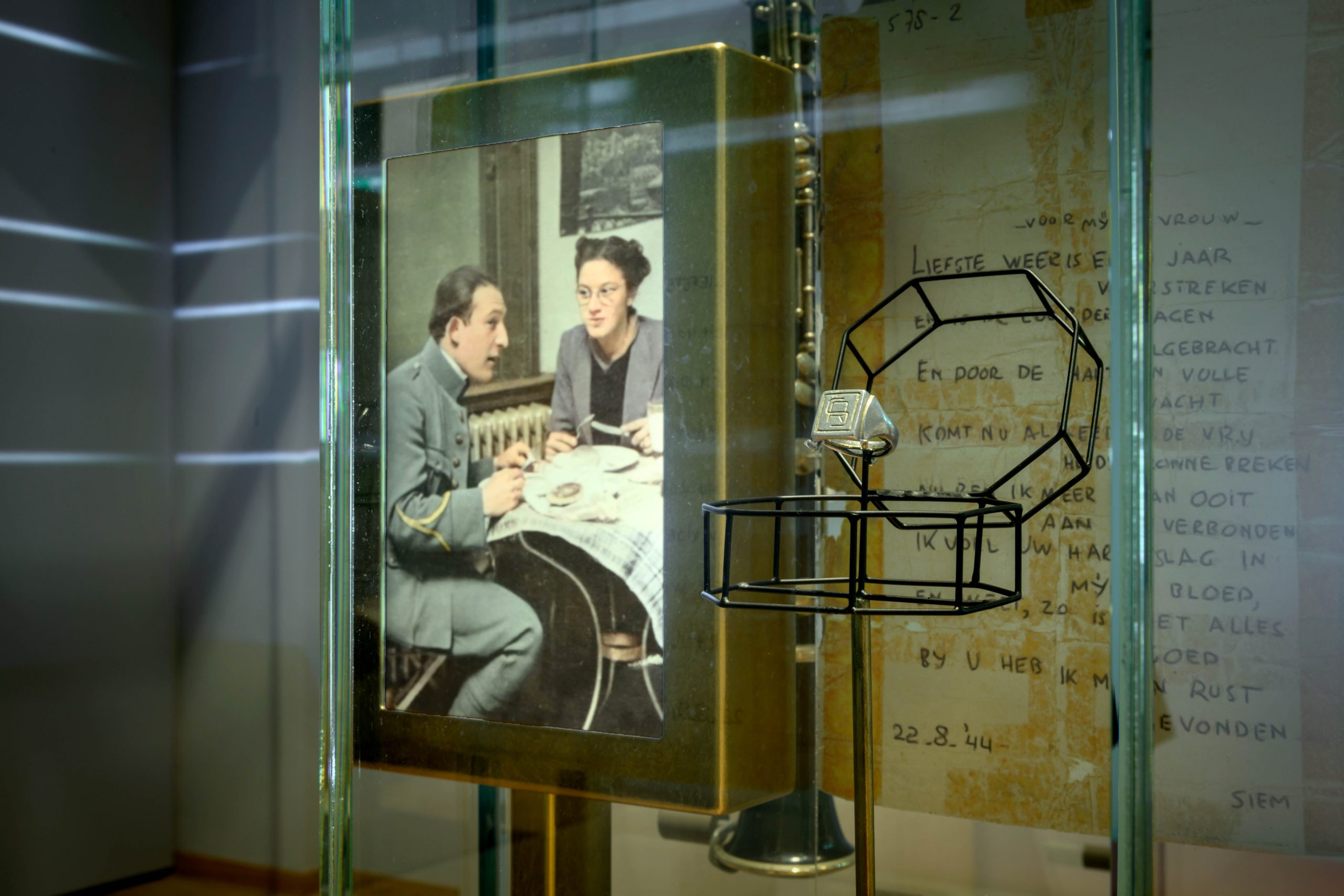
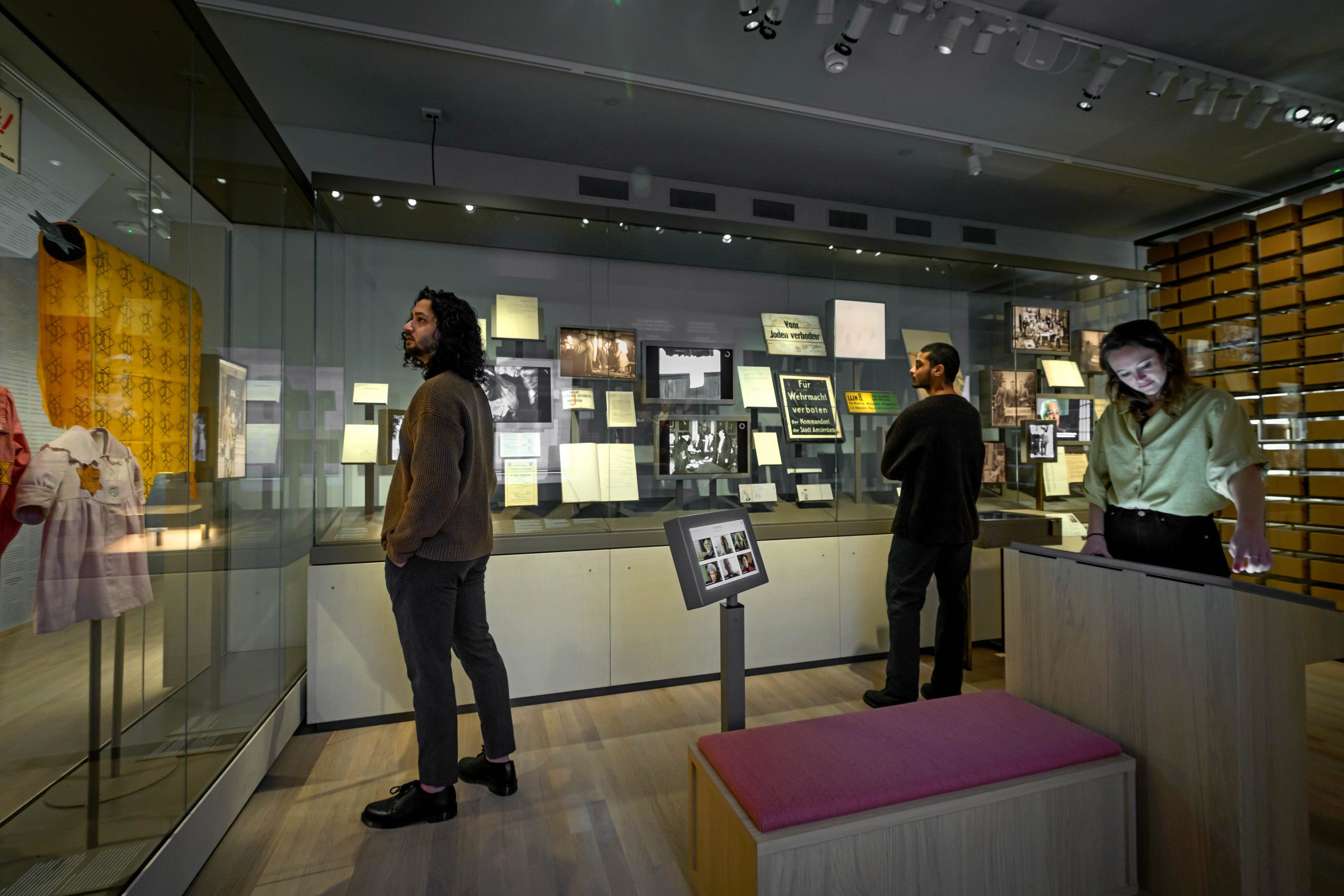
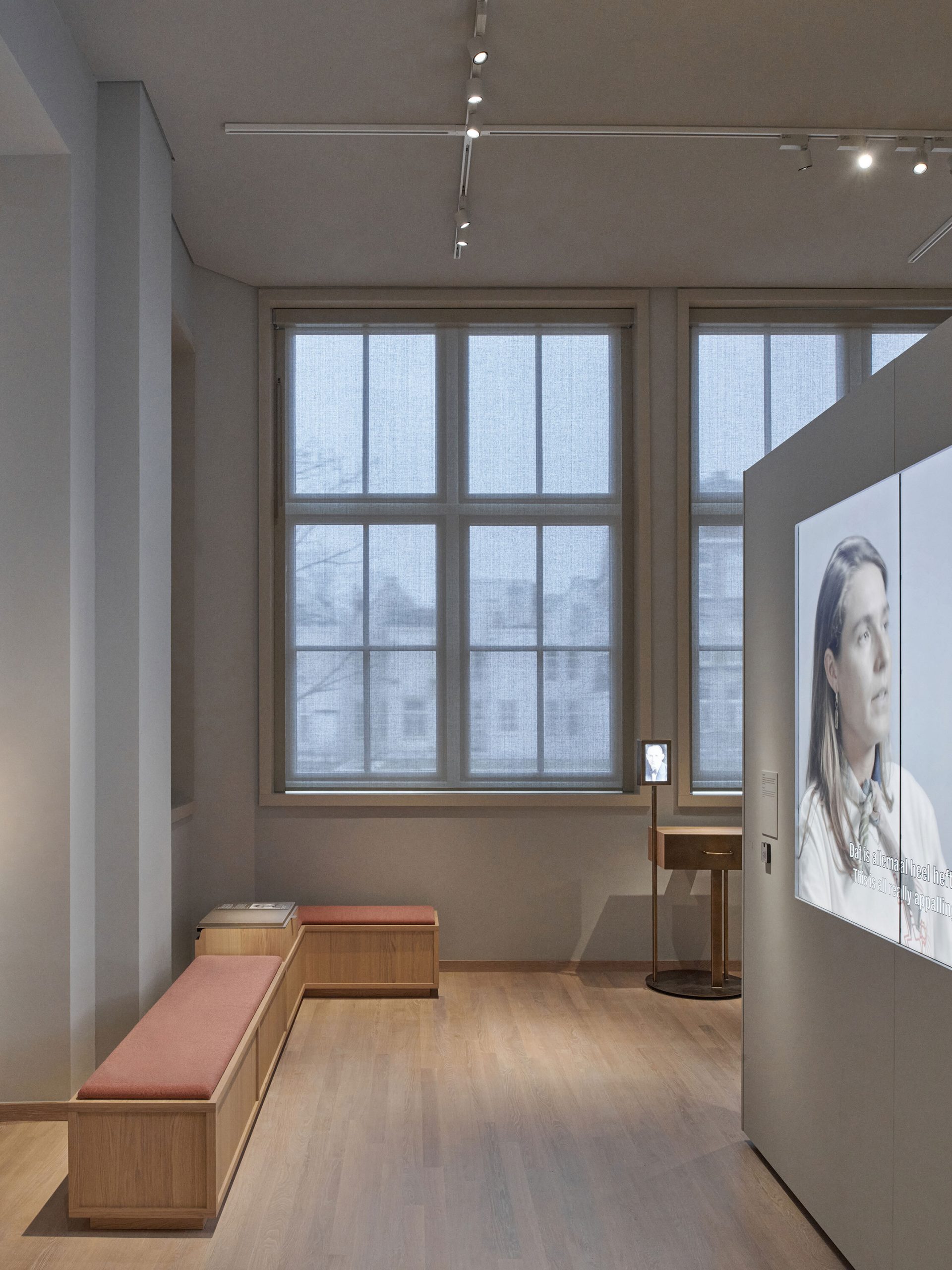
The National Holocaust Museum employs digital storytelling to powerfully convey the history of the Holocaust. This technique is combined with physical exhibits such as photos, utilitarian objects, letters, and clothing. Digital storytelling adds personal narratives to these objects, making the information more compelling and memorable for visitors.
The use of personal stories linked to specific objects or events helps visitors form a deeper connection with the exhibits. This method of combining digital media with tangible artifacts provides a model for other cultural heritage initiatives, demonstrating how personal narratives can enhance the impact and retention of historical information.