
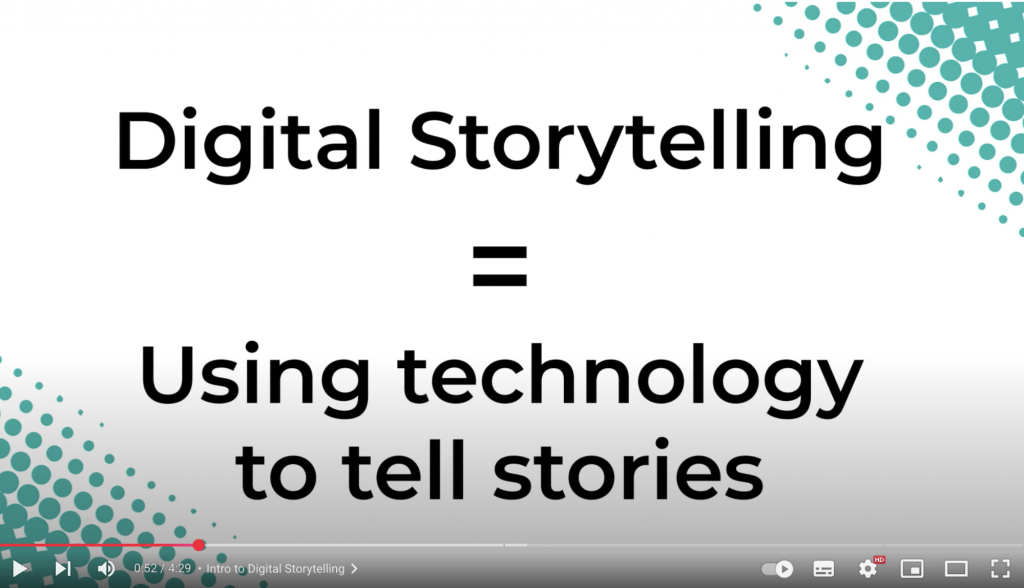
Whether you tell stories for marketing purposes, as an art form, to get people excited about something or inform them about something, your story will achieve its purpose only if the listener is captivated by it. Should you doubt the truth of these words, consider, for instance, commercials you see on TV or hear on the radio. There are only a few that “stick”, right? Why do they stick? You may never have given it a thought, but the reason for this is that they meet certain “storytelling” requirements, such as: the purpose of the story and the perspective from which it is told are clear; the presence of an element or elements that holds the listener or viewer’s attention (you can call this the ‘key question’); recognizable emotional content; a voice that personalizes the story and assists in making meaning of the story’s (visual or audible) content; a rhythm at which the story is conveyed that helps sustain one’s attention; the right amount of information (not overwhelming, not too little); the use of images and/or sounds which embellish and complement the storyline; the length of the story (digital stories last up to 4 minutes, often less than 4).
In this module, we address step by step the elements you need to pay attention to if you want to draw attention to intangible cultural heritage through a digitally told and shared story. To this end, we use the following questions: What is the topic? What do you want to tell about it? Who is telling? How will you tell and share your story?