2. Araisi Ezerpils Archaeological Park: Integrating Legends and Archaeology for Cultural Tourism

Section 1. Introduction

1.1. General Information

Name of the Initiative: Legend of Flying Lake of Araisi
Location: Drabesi parish, Cēsis Municipality, Vidzeme, Latvia
Promoter name: Araisi Ezerpils Archaeological Park
Type of entity: Archaeological park
Ownership: Public

Contact and Communication Details:

Araisi Ezerpils Archaeological Park showcases a unique archaeological site: a Viking-period lake dwelling from the 9th to 10th centuries, inhabited by ancient Latgalians. These lake dwellings are a distinct category of archaeological monument in Latvia, notable for their location in a lake, their excellent preservation conditions, and their close connection with folklore.

One such legend about Araisi Lake tells of a girl pasturing livestock in a valley when she saw dark clouds approaching. She tried to herd the livestock away, but two billy-goats continued fighting. Shouting “Ārā āži, Ārā, āži!” (Get out, Billy-goats!), the lake supposedly mistook its name “Araisi” and flooded the valley, sparing only the girl. On clear days, an axe can be seen embedded in a house corner underwater, which never rusts.

Archaeologist Jānis Apals studied folklore about lakes flooding ancient buildings. To verify these legends, he learned to dive and conducted the first underwater archaeological expeditions in Latvia. He explored over 100 lakes, discovering ancient dwelling sites in 10 of them, proving that some legends held truth.

Excavations at Araisi Lake between 1965-1969 and 1975-1979 revealed the remains of nearly 150 wooden buildings and unearthed approximately 3,500 artefacts and 120 intact pottery vessels. About 40% of the artefacts were made from organic materials like wood, bast, and birch bark.

Due to the rich archaeological findings, a scientific reconstruction of the lake settlement was undertaken, leading to the creation of Araisi Ezerpils Archaeological Park to share this story with the wider public.
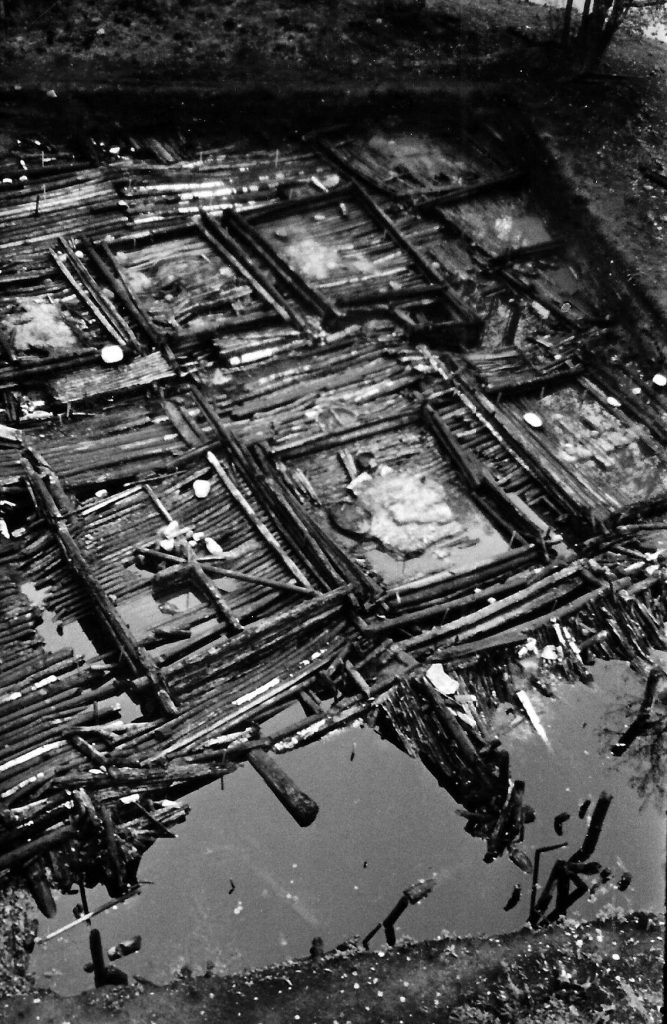
Discovery of the 9-10th century settlement in the Araisi lake in 1969. Source: Araisi Ezerpils Archaeological Park.

The ancient legend of the flying lake of Araisi is preserved through narratives told by guides, educational programmes, and a new digital exposition. The legend is also part of the interactive orienteering game “Araišu legendas,” accessible to all visitors.
1.2. Information about the initiative

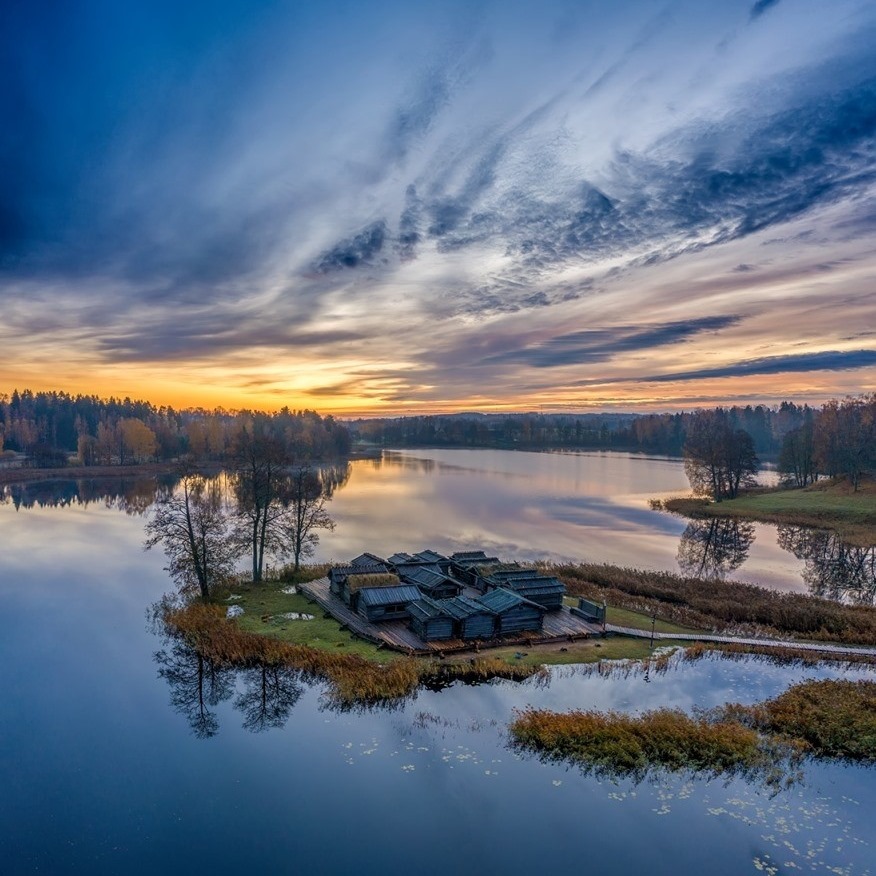
Araisi lake settlement. Source: Araisi Ezerpils Archaeological Park.

Section 2. Description of the ICH involved

ICH Type:

Created with Fabric.js 5.2.4

Oral traditions and expressions

ICH Recognition:

Community involvement in the identification and management of the ICH:

Like many legends, Araisi Lake Legend has been passed down through generations primarily through oral tradition. Legends often incorporate mythical elements, blending historical events with folklore. In Latvian ancient folklore, the theme of “flying lakes” that change locations is quite common. These myths may be inherited memories from distant ancestors, recounting times when lakes and rivers appeared in new places, often linked with human or material sacrifices. Some legends also refer to mythical islands with castles or buildings that sank when a lake “landed” from the sky.

The legend of the flying lake of Araisi was documented in the 1930s by pupils from the local Araisi school, who collected stories from elderly local inhabitants. This legend is preserved in the collection of The Archive of Latvian Folklore (Latvijas Folkloras krātuve) and has been digitised on their website.

Digital storytelling of local legends preserves and celebrates the region’s rich cultural heritage. This preservation helps maintain the local community’s identity, fostering a sense of pride and connection to the land. Among these legends, the Araisi Lake legend is a unique cultural asset that brings local history to life, attracting tourists interested in the region’s history, folklore, and traditions. Creative digitalisation adds depth and interactivity to the visitor experience, encouraging further exploration of the area. A key aspect of this effort is the involvement of local residents in promoting their cultural heritage.

Section 3. Narrative creation and adaptation to digital communication format

Process of content creation

How is it communicated in a digital format?

There are two key initiatives to digitise the Araisi Lake legend. One is incorporated into the exposition at the Visitor Centre of Araisi Ezerpils Archaeological Park, built in 2020, and the other is an interactive game available on the Actionbound application, featuring several local legends and the broader landscape of Araisi.

The digitalisation of the Araisi Lake legend is integrated into the overall exposition to provide visitors with a multi-layered experience, combining historic facts, mythology, and local folklore. The exposition showcases valuable artefacts that have not been available to the public since their excavation over 40 years ago. It tells the story of this unique site and how Latvian archaeologist Jānis Apals pioneered underwater archaeology, discovering ancient buildings and artefacts of international importance. The narrative blends intangible cultural heritage found in folklore with material artefacts, using multimedia technologies to bring the story to life through visuals, sound, and narration. This approach engages audiences of different ages and backgrounds with elements of mystery, adventure, and discovery.

The concept and strategy for the exposition were developed by the design company “H2E Design”, inspired by archaeologist Janis Apals’ quote: “I have only one dream in my life – to revive Araisi Lake dwelling”. This theme is combined with mythical elements, gradually revealing information about the archaeological site and legend. The exposition’s strategy was designed in close collaboration between the Archaeological Park team, historians, and the creative team of “H2E Design”. The texts and ideas were tested with various stakeholders, including representatives of the local community.

Araisi Lake settlement is an integral part of the Araisi cultural landscape, viewed by the local community as a whole. Interviews revealed that the lake settlement is considered the main feature of the landscape. The local community sees tourism as a positive socio-economic aspect and suggests further development, such as creating walking routes and highlighting local cultural heritage.

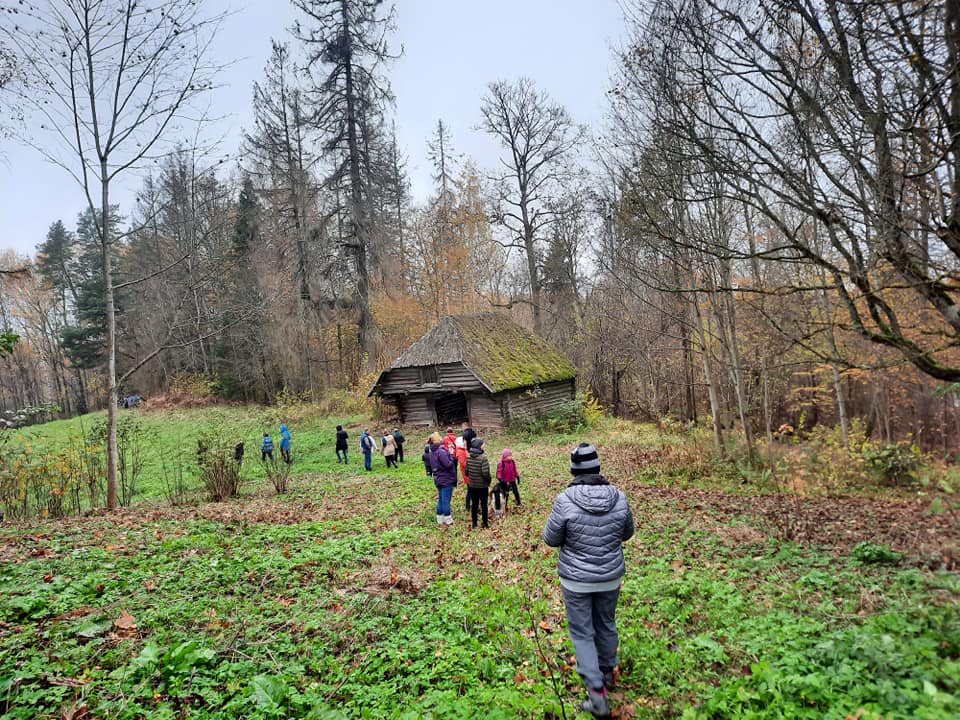
Local people explore their heritage. Source: Araisi Ezerpils Archaeological Park.

The decision was made to explore and incorporate local legends into tourism products, including the story of the Araisi Lake settlement as part of the local cultural landscape. The interactive game “Araisu Legendas” was developed by Linards Strazdins, a student from the “Tourism Organisation and Management” course at Vidzeme High School. Strazdins conducted literature research and interviewed local residents to gather stories. Community members tested the pilot version of the game.

The game incorporates interactive challenges and quizzes that require players to explore the themes of the legends and the surrounding landscape, making these stories accessible and exciting for tourists.

“Tourism has to be one of the main values in Araisi. But we need to combine all possible objects and stories here. We need some walking trails and connection with nearby town Cesis”, comments Talis, reflecting the community’s vision for integrated tourism development.

This collaborative and innovative approach ensures that the rich cultural heritage of Araisi is preserved, celebrated, and made accessible to a wider audience through modern digital formats.

3.1. Local Population

Araisi, a small place in Drabesi parish, is home to an active community of residents who have formed an association dedicated to exploring and preserving their local cultural heritage through annual expeditions.

Araisu Ezerpils Archaeological Park maintains a strong relationship with the local community, welcoming their opinions and suggestions. Before the public opening of the new exposition featuring the multimedia legend of Araisi Lake, the local community was invited for an exclusive preview. Through the Park’s activities, the legend remains alive and well-known among locals.

In interviews, residents express pride in the lake dwelling site and the exposition, sharing the story with visitors. Dina remarks, “Here you can feel very ancient historical roots. Even if one is not particularly interested in history, the local inhabitant understands that he lives in a place where many generations have lived before. I have grown up with Araisi lake dwelling site. Seeing its reconstruction and development process, I always feel very special here”. Vineta adds, “I think that intangible things are those which ensure the well-being of this place. We have a very beautiful landscape and there are stories”.

To stimulate storytelling practices within the local community, the Archaeological Park organised a storytelling workshop. The Park also collaborates closely with the local school, encouraging children to participate by creating artwork and writing stories inspired by the Araisi Lake legend and the story of archaeologist Janis Apals. This engagement ensures that the legend is preserved and transmitted to future generations, fostering a sense of pride and connection to their heritage.

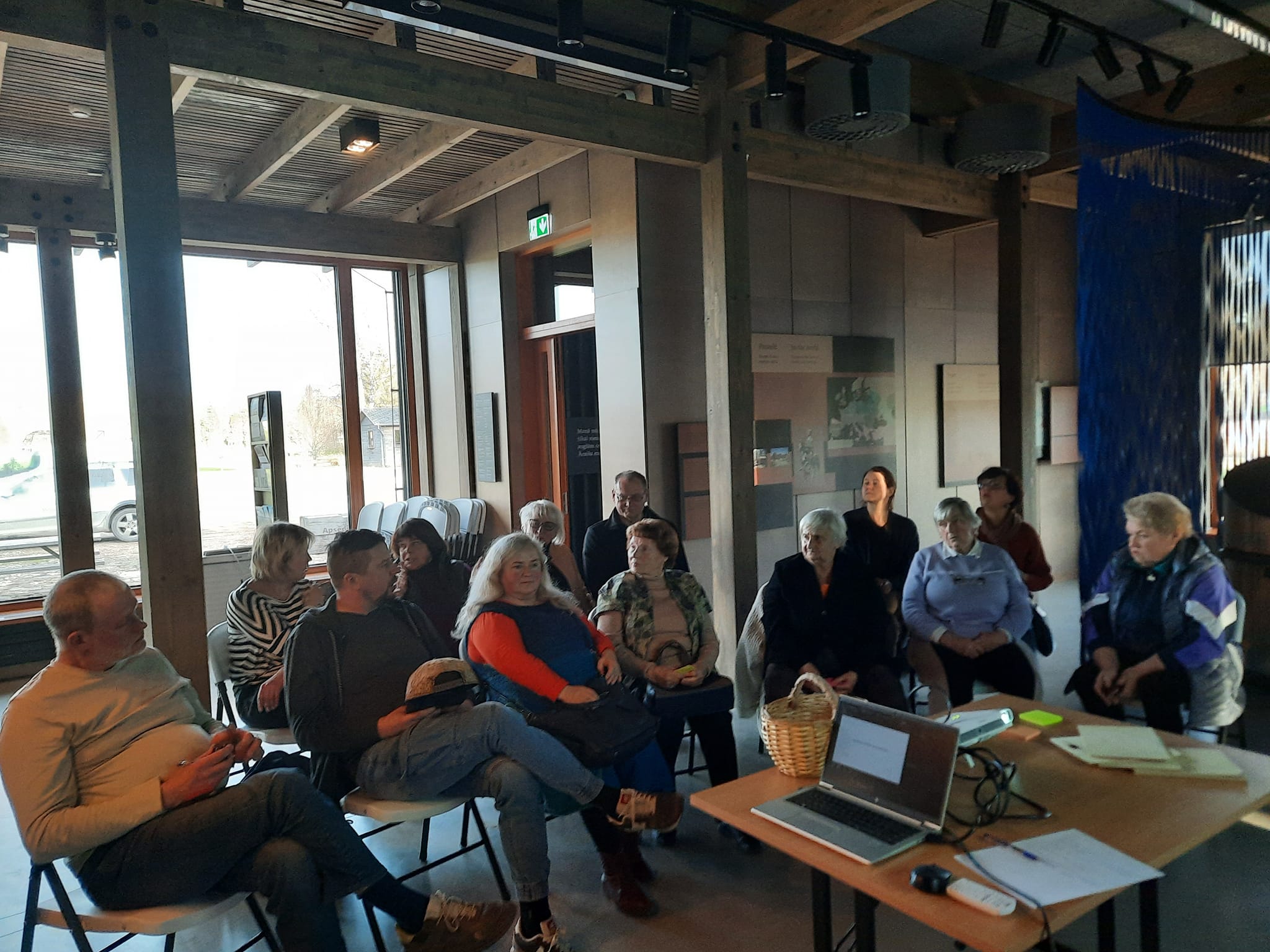
Focus group of the local community. Source: Araisi Ezerpils Archaeological Park.

Section 4. Audience and methodologies

Target audience: tourists/visitors

Reach:

Aim of sharing the stories:

Preserve traditions

Created with Fabric.js 5.2.4

Promote tourism

Frequency: Permanent activity

The primary dissemination tools for the Araisi Ezerpils Archaeological Park are the website and social media platforms – Facebook and Instagram. These channels share engaging content related to the Araisi Lake legend and its digitised version. However, the multimedia legend itself is not published online, to maintain an element of surprise for visitors exploring the exhibition in person (around 13,000 annually).

Target audience of the initiative is very wide:

  • Local community: Including families, school children, and cultural enthusiasts interested in local heritage.
  • Tourists: From different segments—families with children, couples, groups of friends, seniors, and any visitors to the region seeking cultural experiences and historical insights into ancient history and Latvian folklore.
  • School groups: Araisu Ezerpils Archaeological Park runs special educational programmes tailored for school groups.
  • Cultural heritage professionals

The exposition is available in both Latvian and English to cater to a broader audience.

Another digital initiative, the game “Araisu Legendas”, has been popularised on social media (Facebook) and is available in Latvian. This game targets the local tourism market, specifically families with children or friends. It has also been promoted through local schools and the community, encouraging residents to participate and compete for prizes.

By leveraging digital storytelling and interactive experiences, Araisi Ezerpils Archaeological Park effectively engages a wide range of audiences, enhancing their understanding and appreciation of local intangible cultural heritage.

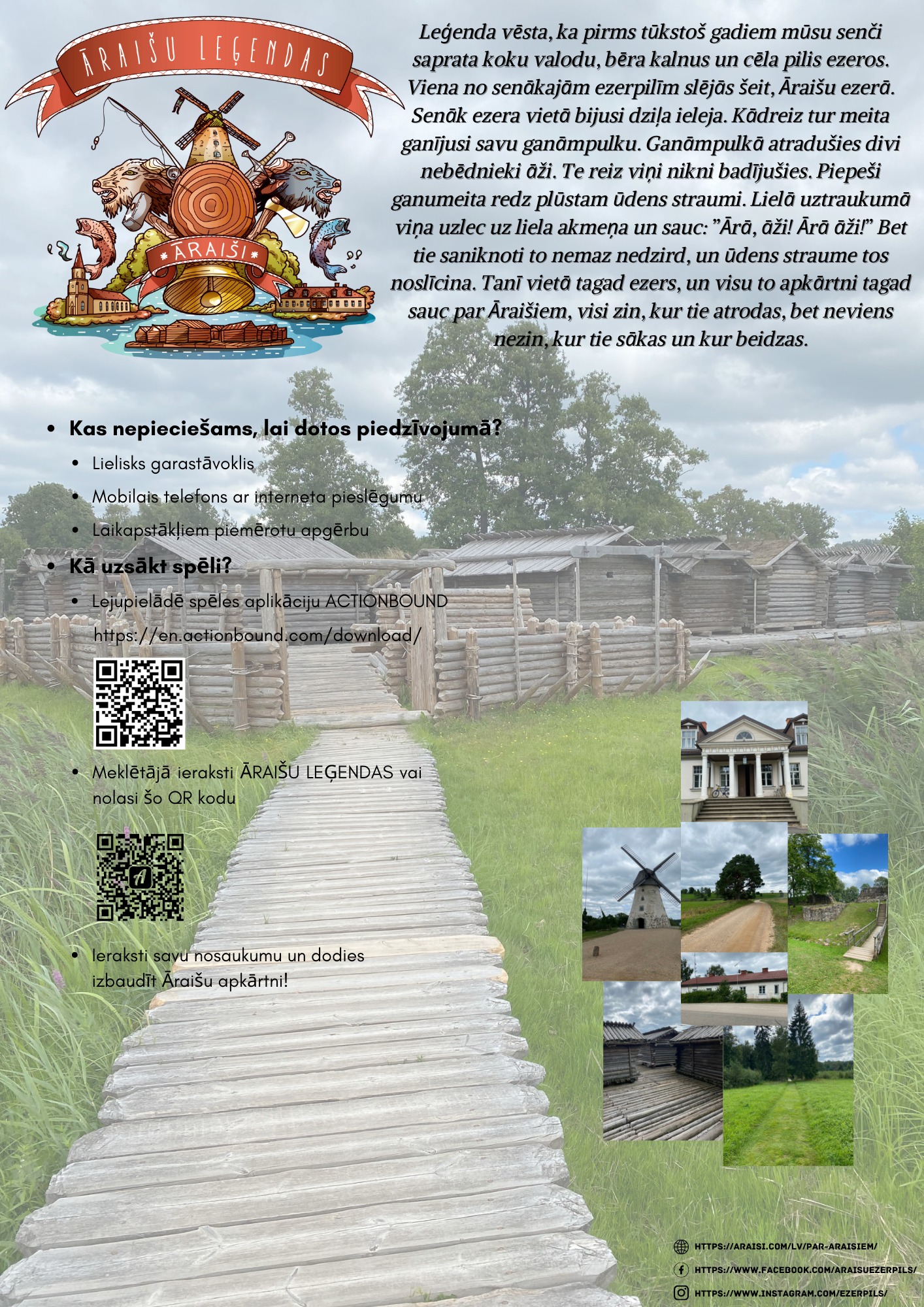
Promotional digital leaflet of “Araisu legendas” game. Source: Araisi Ezerpils Archaeological Park.

Section 5. Innovative aspects

The designers of the Archaeological Park’s exposition have successfully presented the Araisi Lake legend in an engaging and visually appealing manner. Instead of a traditional static display, the multimedia projection creates an immersive experience that transports viewers into the world of the Araisi Lake legend. Through dynamic visuals, sounds, and interactive texts, visitors feel as though they are part of the story.

The projection of the legend is part of a comprehensive experience within the entire exposition, which engagingly leads visitors to explore the underwater world and the artefacts discovered there. This innovative approach to storytelling has received recognition, including the prestigious 2nd place “Export and Innovation Award 2021” by the Latvian Investment and Development Agency in the category of “New Exportable Tourism Product”. This is the highest state award for entrepreneurship in Latvia. The award criteria include sustainability, integration with local infrastructure, educational and entertainment value, and great export potential. The product must also safeguard local resources and respect local cultural, natural, social, and economic aspects.

Another innovative aspect is the game “Araišu Leģendas”, created on the Actionbound platform, an interactive gaming platform for mobile phones and tablets. The game features a location map using GPS technology, textual and audio information about the objects, and quests inspired by the legends. Players must explore the local area to complete tasks, promoting outdoor exploration and physical activity. This idea was encouraged by COVID-19 restrictions when the indoor exposition was closed. The game can be downloaded from the Google Play platform, and Araisi Ezerpils Archaeological Park has created a QR code for easier accessibility and uses it in promotional materials. The “Araišu Leģendas” game also serves as an audio guide for the local territory.

Section 6. Impact

Impact on tourism:

Impact on local sustainable development:

SDG4. Quality education. Digital storytelling of Araisi lake brings an opportunity to educate local communities and visitors about the history, culture, and significance of the área. It can enhance cultural appreciation.

Created with Fabric.js 5.2.4

SDG9. Industry, Innovation and Infrastructure. The digitalization of the legend involves the use of technology and innovation

Created with Fabric.js 5.2.4

SDG11. Sustainable cities and communities. Careful planning of the sustainable tourism brings economic opportunities for local community

The opening of the Visitor Centre at Araisi Ezerpils Archaeological Park in 2020, featuring an exposition centred around the Araisi Lake legend, has significantly contributed to territorial resilience, cultural tourism promotion, and rural development. Several hospitality businesses have since emerged, including guest houses like “Virgabali” and “Dzerves”, as well as an apartment at Araisi Windmill. Additionally, various walking events have been initiated in Araisi. The Archaeological Park has embraced community-based tourism and manages a joint website with local stakeholders.

Local residents have noted the positive impact of increased tourism. Dina comments, “I would like more tourists. I would like to see them exploring more of Araisi on foot. During the season, we see more tourist buses. This territory could certainly benefit from more tourism. At least there is something to discuss with elderly ladies in the evening… There is certainly development at Araisi, but it is very organic, harmonious”.

Vineta adds, “Tourism brings recognition to our place. Visitors come by recommendation. It is important that tourism brings us employment and development. If one has a good income, they can invest in new projects”.

Inese observes, “Tourists do not trouble me. There is certainly scope for more tourism. Maybe there is a need to work more on marketing… This place breathes ancient times. One can feel that just driving through and feel how special this place where we live is”.

The introduction of the local legends game on the Actionbound platform and the opening of the exposition have contributed to local sustainable development by promoting education, innovation, tourism, cultural preservation, and community empowerment.