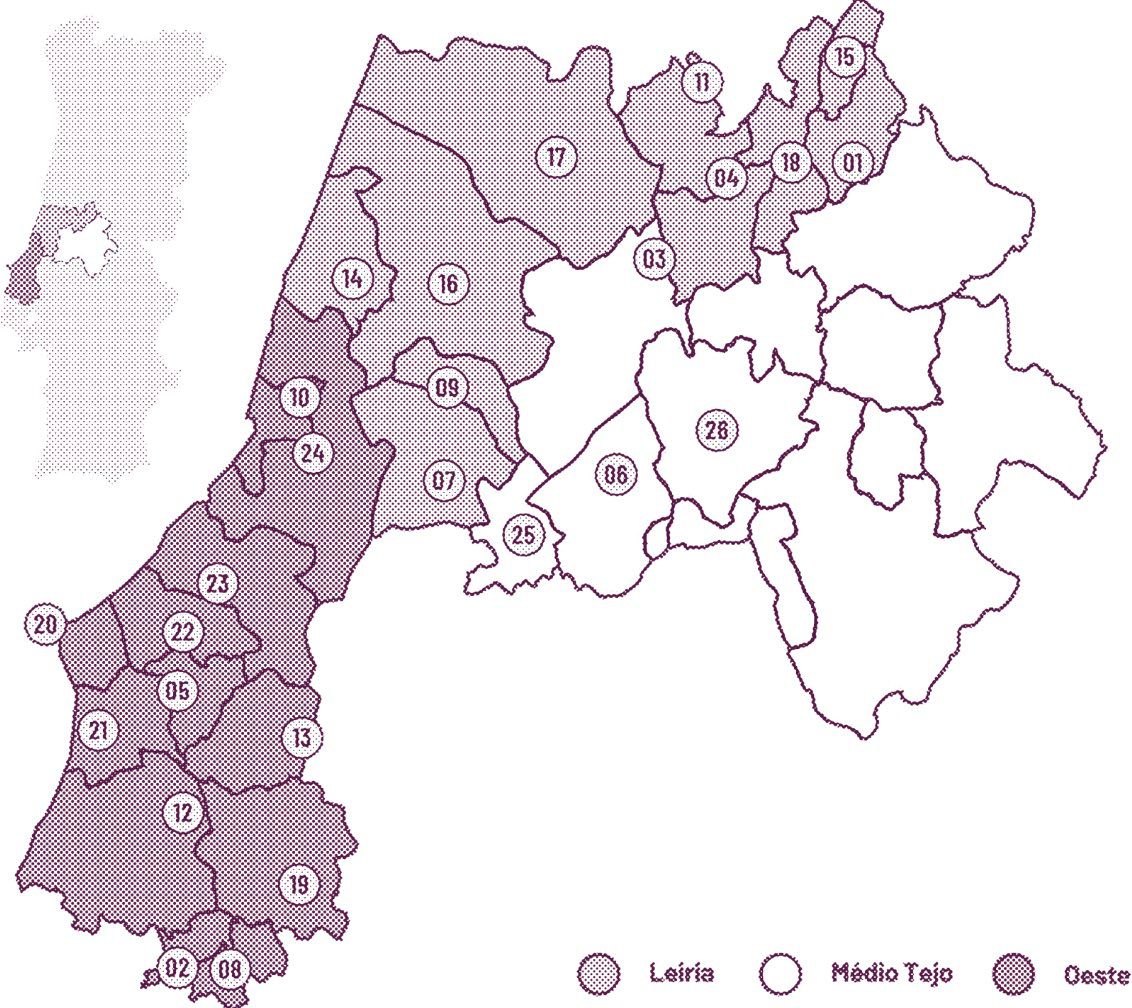
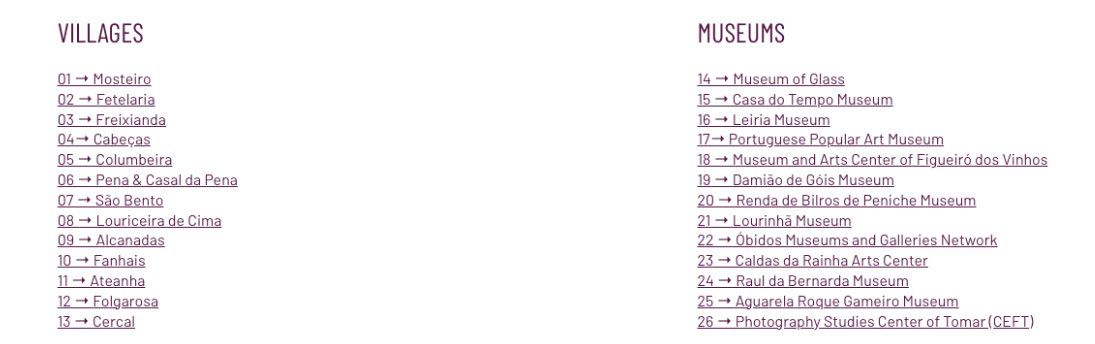
The “Museum in the Village” initiative, promoted by SAMP – Sociedade Artística Musical de Pousos (Pousos Musical Artistic Society), is an artistic and social intervention project aimed at the elderly population in rural and isolated areas in Portugal. The project brings together 13 museums and 13 villages from 26 Portuguese municipalities, forming a network for meetings and cultural exchange. The initiative encourages communities to interact with museum professionals, artists, and local entities to share their cultural heritage and revive traditions.
The project stimulates engagement through storytelling, offering cultural programming to audiences who typically lack access to such opportunities. This is achieved by creating a sequential and integrated program of visits between museums and villages, thereby consolidating a cohesive network among municipalities and their cultural and artistic offerings.
“Museum in the Village” specifically targets independent elderly individuals over the age of 65 who live in isolated rural environments with limited access to cultural experiences. By connecting museums and communities, the initiative not only preserves and revitalises local heritage but also enhances the cultural well-being of the elderly, fostering a sense of inclusion and community.
Profile of people involved: staff, volunteers, researchers, community members, external partners
Qualification/training of people involved: traditional knowledge, academics/researchers, museum professionals, technical experts
1.3. Training
Training is a fundamental aspect of the project and adheres to the SAMP training methodology. This process begins as soon as professionals join any project promoted by SAMP, and it is both procedural and continuous, integrated into their daily work routine. “Professionals must be attuned to the arts in general, and even if they have a strong affinity for working with the elderly, they must initially work with babies for at least a year. This helps them develop the skills necessary to work with a demographic that requires specialised attention and abilities, in addition to interacting with parents. This experience prepares them to later work with the elderly or other groups. Thus, the professional gains essential skills that we often say make them ready to take on the world, whether working with babies, the elderly, or young inmates,” emphasises the initiative’s coordinator.
The institution’s working methodology ensures that activities are developed in pairs, facilitating continuous exchange and training between a more experienced professional and a newcomer. Training primarily occurs in the field, through shared daily activities and practical experiences. Weekly team meetings are held to share and evaluate the week’s project experiences, fostering a collaborative learning environment.
An annual retreat, lasting one week and held outside the usual territory, serves as a key training opportunity. This retreat is dedicated to evaluating the work done throughout the year, reflecting on experiences, proposing new goals, and setting new aspirations.
Additionally, the project emphasises understanding other initiatives to inform reflections on the project itself. Significant attention is given to training on the methodology employed by the project and other SAMP activities. To share experiences and methodologies, there is an objective to establish a training centre within the institution. Evaluating the project’s impact is also crucial, highlighting the need for specific training in appropriate methodologies for sociocultural and artistic projects.
Section 2. Description of the ICH involved
ICH Type:
Social practices, rituals and festive events
ICH Recognition:
In danger of disappearing
Locally recognized
Well-known
Community involvement in the identification and management of the ICH:
Low
Medium
High
The “Museum in the Village” initiative interconnects the economic, geographic, social, and cultural diversity of the region like a patchwork quilt. It highlights the landscape in the region’s chronology, economy, and rituals, beyond the local and World Heritage monuments.
Dances, music, pilgrimages, and migratory movements driven by beliefs and work rhythms, as well as ways of making and living, were considered when selecting project participants and identifying the objects and memories to be worked on. “We wanted communities interconnected through the language of museums, arts, and affection”, says Raquel, the project coordinator.
From this reflection, the initiative was structured in four phases: Sensitisation, The Museum Goes to the Village, The Village Goes to the Museum, and Finalisation with Everyone at the Museum. This structure ensures active and creative community participation, fostering a sense of belonging and highlighting the importance of local heritage
The integration of communities throughout the various sessions was reflected in their active and creative participation. This involvement included critical analysis of the social importance of museums, museum pieces, narratives, and the inherent meanings of the materials used and their representative roles. It also highlighted the importance of their own memories and contributions to the local history of each region.
Thirteen villages and thirteen museums were selected, sharing a variety of objects, stories, and memories. They reinterpreted and created new objects and narratives about the territory and themselves:
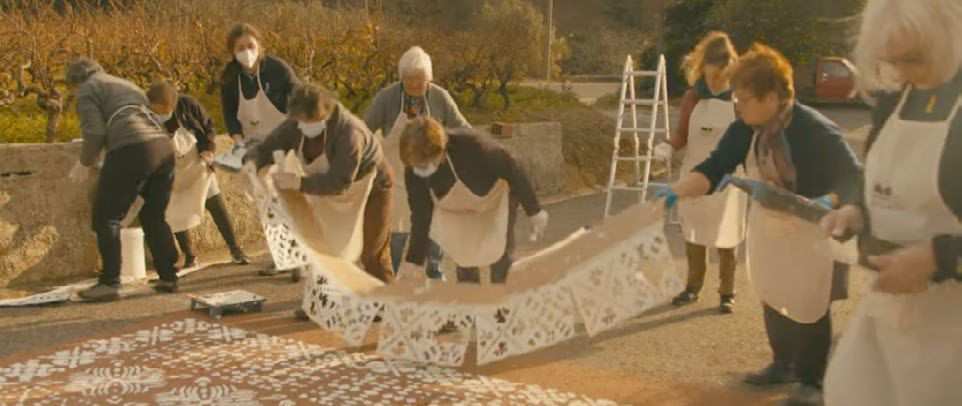
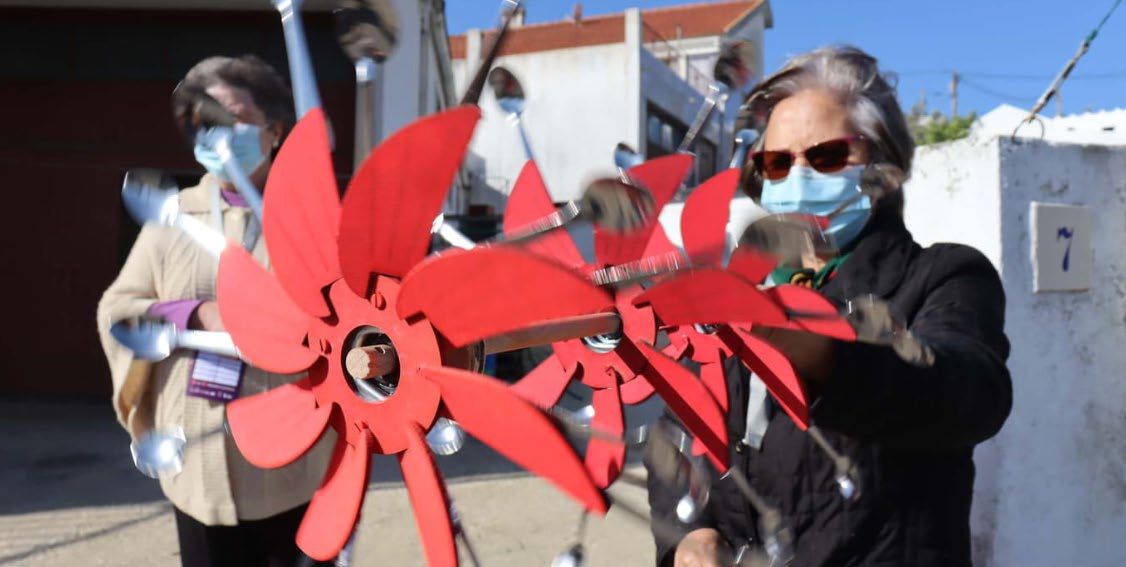
Co-creation process in Folgarosa village. Source: Screenshot from YouTube video.
Identified Intangible Cultural Heritage (ICH) and Activities
1. Meteorite in Alcanadas
The Lourinhã Museum presented a thematic collection on dinosaur extinction, prompting the community to create the “Ark of Salvation,” which houses objects, memories, and messages of hope.
2. Bracejo Carpet from Ilh
Under the guidance of artisans, the community created an urban rug inspired by intricate patterns, enhancing community engagement.
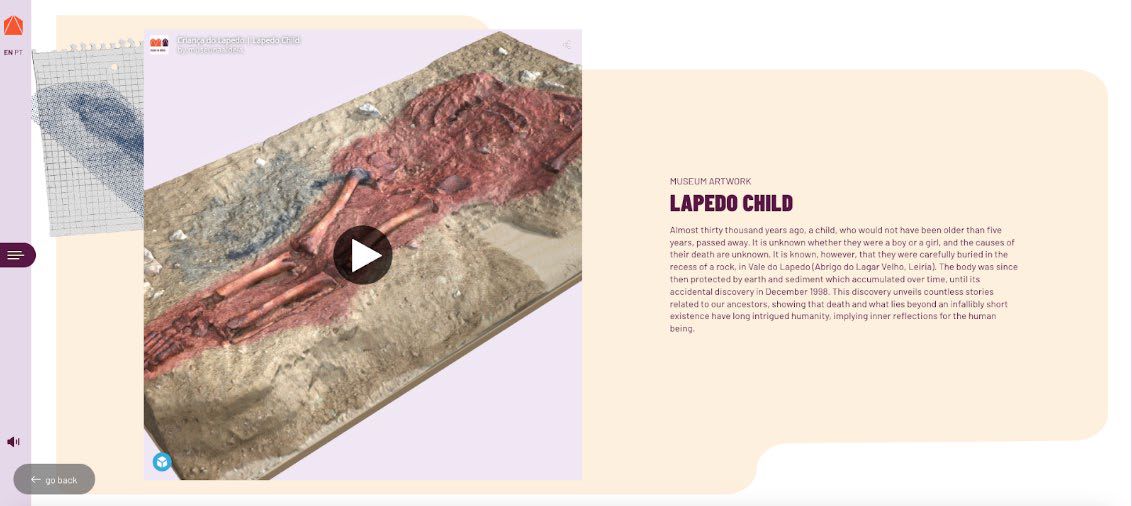
3. Archaeological Context of a Child from Lapedo
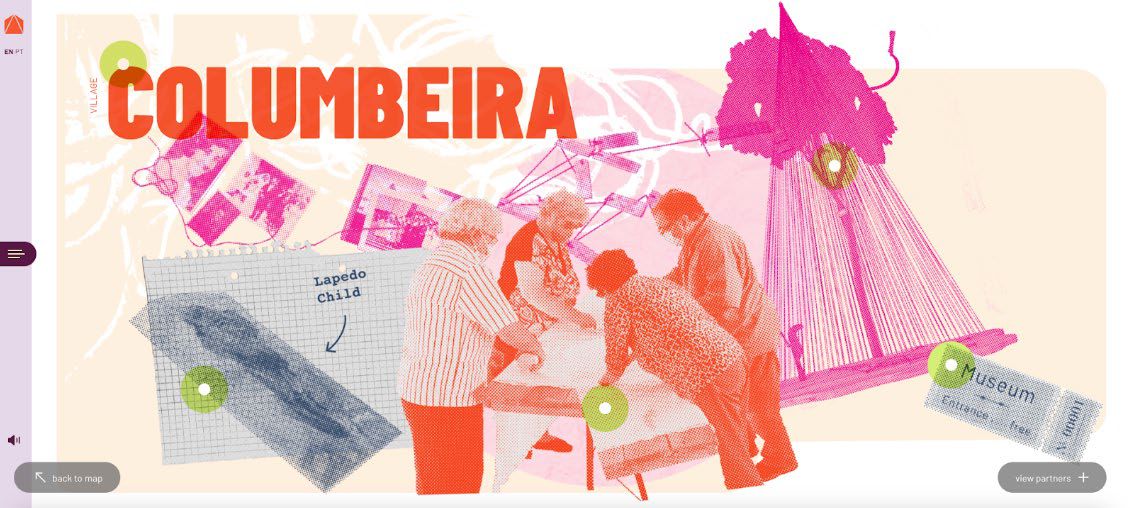
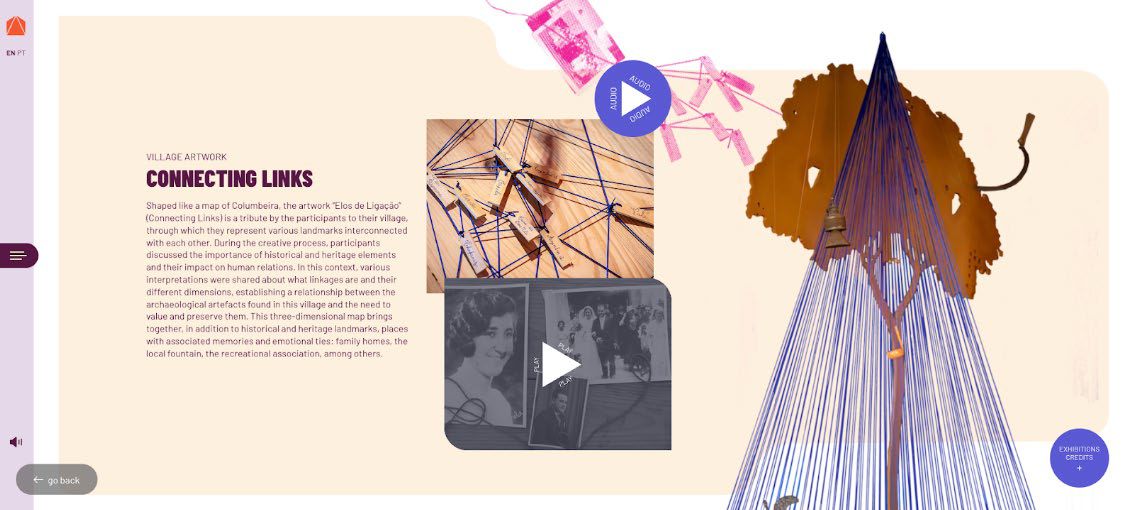
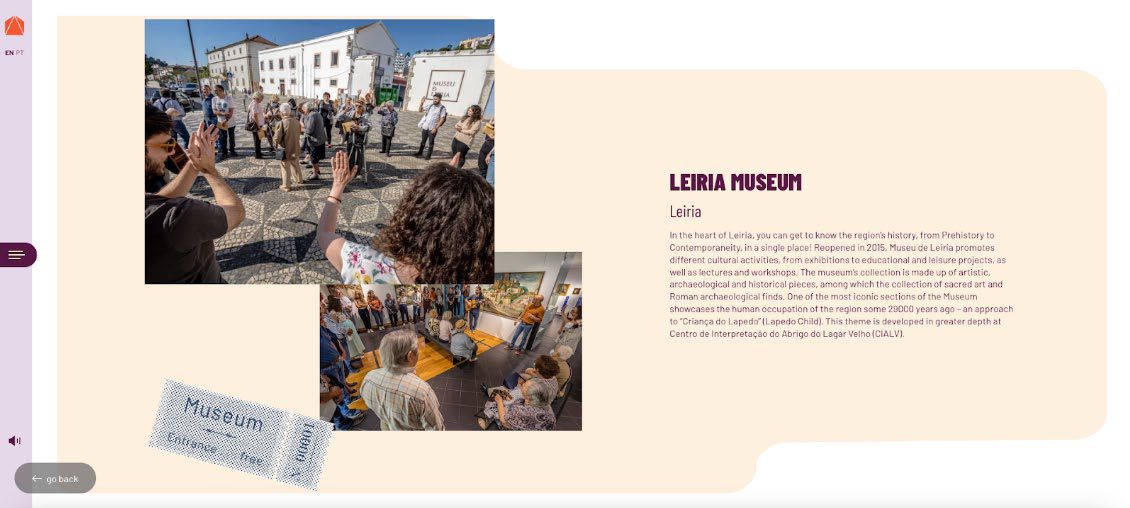
The Leiria Museum shared this significant moment in human history, leading to the creation of a map by the Columbeira community, honouring their heritage.
4. Artifacts Highlighting Land and Sea Relationship The Peniche Municipal Museum Network engaged the community in creating marzipan pieces inspired by local heritage.
5. Olive Trees, Mills, and Stories
An exchange between Alenquer and Torres Novas communities resulted in a light painting session, reflecting their interactions with heritage.
6. Minde’s Historic Woollen Blankets
The community used marbling techniques to dye fabrics, connecting geographically distant but culturally close territories
7. Photography as Memory Registration
The Tomar Center for Photographic Studies facilitated a photography project in Mosteiro, capturing the community’s essence.
8. Sculpture “Camões”
The Museum and Arts Center of Figueiró dos Vinhos inspired the Cercal community to create clay sculptures representing cultural cultivation.
9. Sculpture “The Plague”
The Glass Museum engaged the Fetelaria community in creating “The Wind Blowing from Sobral,” a piece made from locally gathered elements.
10. Saint Martin Sculpture The Óbidos Museum and Gallery Network inspired Freixianda participants to create “The Sun of Unity is for Everyone” using grains and corn husks.
11. Warrior’s Head Sculpture
The Raul da Bernarda Museum encouraged the Cabeças community to create various clay heads, showcasing their creativity.
12. Three-Ton Sculpture in Ateanha
The community built a bench using local stones and 3D printing technology, transforming a village spot into a meeting point.
13. Wool Industry at Casa do Tempo Museum
The museum highlighted the wool industry’s significance, leading the Fanhais community to share their pine forests and honour local history.
Parallel to the creation and sharing process, Performances in Museums with Communities were held. These performances aimed to achieve the objective of uniting various elements: symbolic and material, from different places and times, encompassing visual arts, musical, choreographic, and scenic universes. The intention was to create a shared territory among communities, histories, material and immaterial heritage, fostering a dialogue between multiple cultural elements. Each performance, rich with its own stories, memories, and symbolism, enabled collaboration, enhanced social cohesion, and contributed to the sustainable human development of the region.
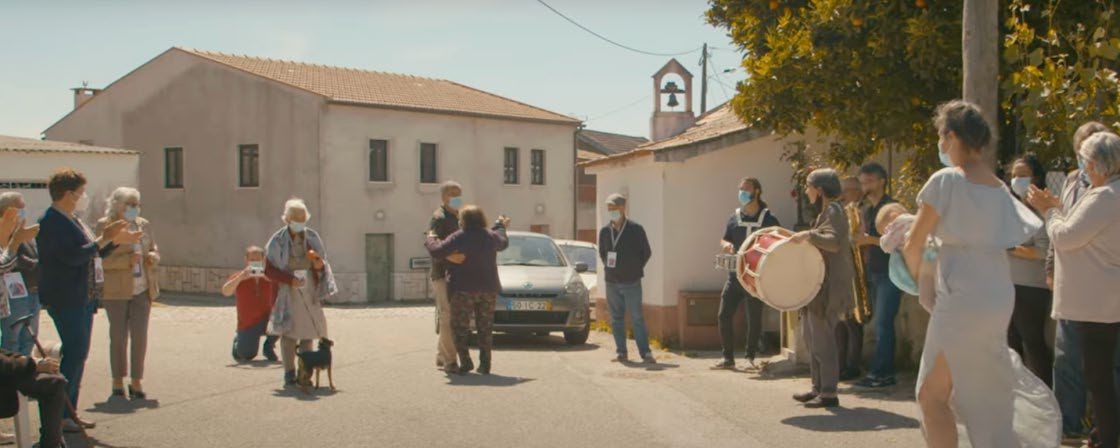
Music performance in one of the villages, connecting the community, artists and museum staff involved in the process. Source: Screenshot from YouTube video.
Section 3. Narrative creation and
adaptation to digital communication format
Process of content creation
How is it communicated
in a digital format?
Audiovisual, multimedia, mapping
Website, video/audio platform, social media
The “Museum in the Village” initiative is an artistic and social intervention project aimed at the elderly population in rural and remote regions. It connects 13 museums and 13 villages from 26 Portuguese municipalities into a wide network. The project fosters interactions between communities, museum experts, artists, and local organisations to share cultural heritage and revive traditions.
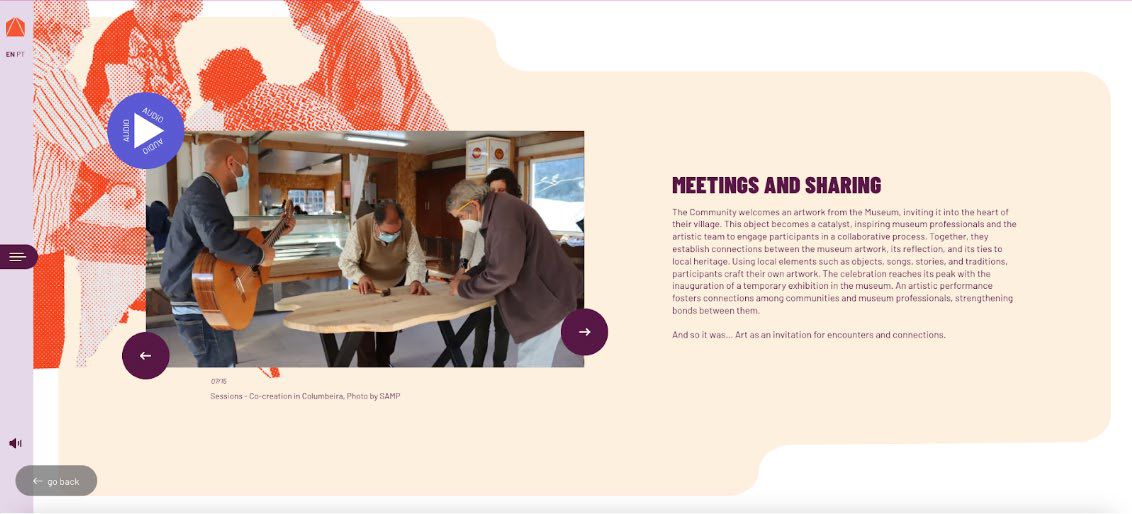
Initial Encounters and Interpretation: SAMP professionals, in collaboration with local leaders and museum experts, bring museum artefacts to the villages. These initial encounters enable the elderly residents to reinterpret, transform, and approach the objects in new ways. The community members are then invited to reflect on the artefacts, relating them to their memories, life experiences, and local characteristics. This reflection helps them revisit and explore their Intangible Cultural Heritage (ICH).
Creation of New Work: The process culminates in the creation of a new work, developed collaboratively by the elderly, museum experts, and the SAMP team. This new work aims to represent both the individual particularities of each elderly person and the collective identity of their community. The finished pieces are then inaugurated in the participating museums through a SAMP Performative Presentation, symbolising the union between the museum institution and the community.
Digital Communication and Dissemination: Special care is taken to document the entire process through audiovisual means, capturing moments of sharing and producing oral history content. This content is organised into a comprehensive digital experience, including images, videos, audio, and documentation. These digital narratives are then presented to local groups, ensuring that the project’s impact extends beyond the immediate participants.
The digital content is further disseminated through the museum’s website and social media platforms, broadening the reach of the initiative and promoting cultural tourism. This approach not only preserves the cultural heritage but also makes it accessible to a wider audience, fostering a deeper appreciation for the traditions and histories of the participating communities.
By integrating digital storytelling with traditional cultural practices, the “Museum in the Village” initiative effectively preserves and revitalises local heritage, while engaging the community in a meaningful and participatory way.
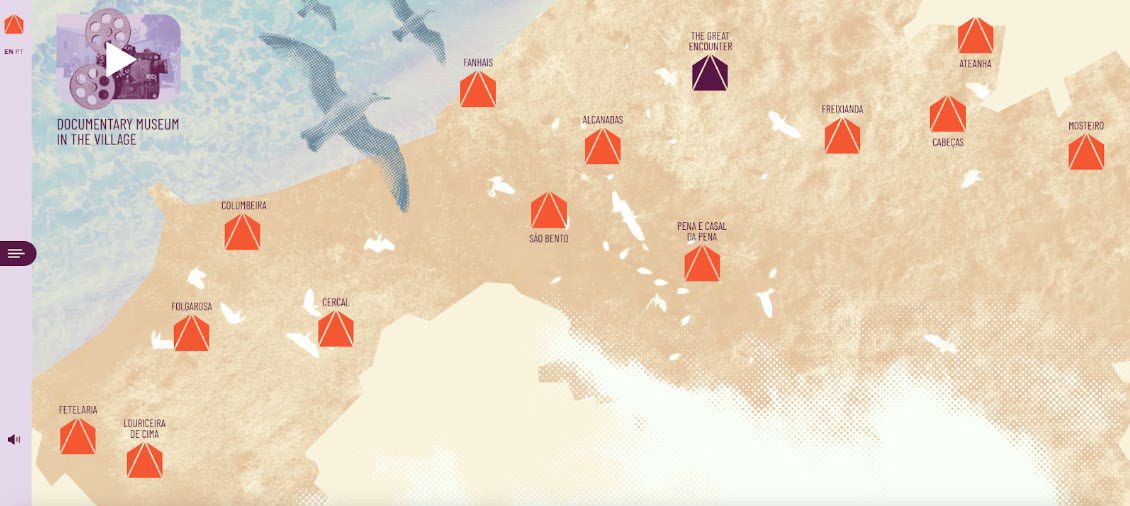
Interactive map providing a comprehensive digital experience, including images, videos, audio, and documentation of the communities, museums, co-creation processes and artworks. Source: Screenshots of the Museum in the Village website.
3.1. Local Population
The “Museum in the Village” project is distinguished by its extensive network of over 90 collaborators. Promoted by SAMP – Sociedade Artística Musical dos Pousos, the project is funded and supported by Leiria City Council, Portugal Inovação Social, the Social Employment Operational Programme (POISE), Portugal 2020, the European Social Fund (FSE), and the Rede Cultura 2027 (Culture 2027 Network). It also collaborates with the Union of Parishes of Leiria, Pousos, Barreira e Cortes.
A Working Group of Museums from the Culture 2027 Network, consisting of representatives from regional institutions, selected the 13 villages and 13 museums involved. This group, familiar with the local social and cultural realities, included representatives from museums in 26 municipalities, parish councils, associations, and other partners.
SAMP coordinated the project with a multidisciplinary team, including professionals from music, artistic direction, community art, acting, communication, logistics, finance, museology, sociology, social psychology, graphic design, and production. This team, in collaboration with community members, defined the roles and actions for the project using a participatory methodology that emphasised dialogue, listening, inclusivity, and horizontal management.
Community involvement was active and creative, with residents participating in sessions and evaluation meetings, contributing to decision-making, and adapting initiatives as needed. The guiding principles of “being with” and “creating with” foster relationships, trust, and collaborative creation, enhancing the project’s impact and ensuring meaningful engagement from all participants.
Community members involved in the “Museum in the Village” project. Source: SAMP/Museu na Aldeia.
Section 4. Audience and methodologies
Target audience: Local community
Reach:
Low
Medium
High
Aim of sharing the stories:
Preserve traditions
Social cohesion
Frequency: Punctual activity
The project’s dissemination has been achieved through multiple channels, ensuring wide reach and impact.
Website and Dissemination Handbook: Detailed information is available on the project’s website and in the Dissemination Handbook. This publication records and shares the project’s methodologies, experiences, and strategies, providing guidance for replication or adaptation by other entities in different contexts.
Media Coverage: Various media outlets, including television, radio, and newspapers, have produced reports at local and national levels. Both physical and digital formats have been used to share the stories and traditions of the participating villages.
Publications: Efforts have been made to publish scientific and cultural articles discussing the project. To date, one article has been published, with another recently submitted for publication.
Presentation Events: The project has been promoted at conferences, congresses, and other national and international events. SAMP has participated through invitations and by submitting communications for peer review.
Documentary: A documentary narrates the entire work process, focusing on the project’s various phases and highlighting the involvement of museums, villages, artists, and technicians. It is available online.
Virtual Museum: The virtual museum serves as a testimony and memory of the project, allowing users to explore artworks and museums and engage with stories and experiences. It also incorporates virtual reality elements to enhance the user experience.
Exhibition Catalogue: Available in both digital and physical formats, the catalogue showcases images and museum pieces, sharing the lived experiences of the project.
Travelling Exhibition: Titled “On the Other Side of the Line”, this exhibition aims to continue the project’s legacy, fostering new relationships and partnerships while honouring the collaborative work and cultural proximity of the entire territory.
Section 5. Innovative aspects
The “Museum in the Village” project has been widely recognised for its innovative community engagement, particularly during the COVID-19 pandemic. The initiative won the “Citizen Involvement and Awareness” category at the European Heritage Awards / Europa Nostra Awards in 2022. This award highlights projects that use cultural heritage to promote social cohesion, inclusion, dialogue, and understanding, while nurturing a sense of belonging and celebrating diversity.
“The variety and tailoring of activities to each participating focus group makes the Museum in the Village project very special. By addressing the specific needs and interests of both young and older people, they have ensured a greater and more significant impact. The project also convincingly demonstrates the clear relationship between cultural heritage and well-being,” noted the Europa Nostra Awards’ Jury.
Additionally, the project won the APOM 2021 Awards in the “Innovation and Creativity” category, which honours creative projects in various museum activities, from research and conservation to exhibitions and cultural outreach. It also received an Honorable Mention in the “Education and Cultural Mediation Project” category.
Moreover, at the III Conference on Psychosocial Intervention in the Community, the project was awarded for its work in combating social isolation and loneliness among the elderly through art and culture. It also received an Honorable Mention for its research on loneliness and mental health in the elderly during the pandemic.
The project’s innovative use of digital content further enhances its impact, allowing users to explore the virtual museum, engage with interactive stories, and access rich multimedia content, enhancing the overall cultural experience. The digital experience on the project’s website offers a comprehensive overview of the initiative, featuring audiovisual collections, oral histories, images, videos, and documentation. This digital repository not only preserves the project’s outputs but also makes them accessible to a broader audience, promoting cultural tourism and ensuring the longevity of the community’s heritage.
By integrating traditional cultural practices with modern digital storytelling techniques, the “Museum in the Village” project effectively bridges the gap between generations, fostering a deeper connection to cultural heritage while addressing contemporary social issues.
Section 6. Impact
Impact on tourism:
Low
Medium
High
Impact on local sustainable development:
SDG3. Good health and well-being
SDG4. Quality education
SDG9. Industry, innovation and infrastructure
SDG17. Partnerships for the SDGs
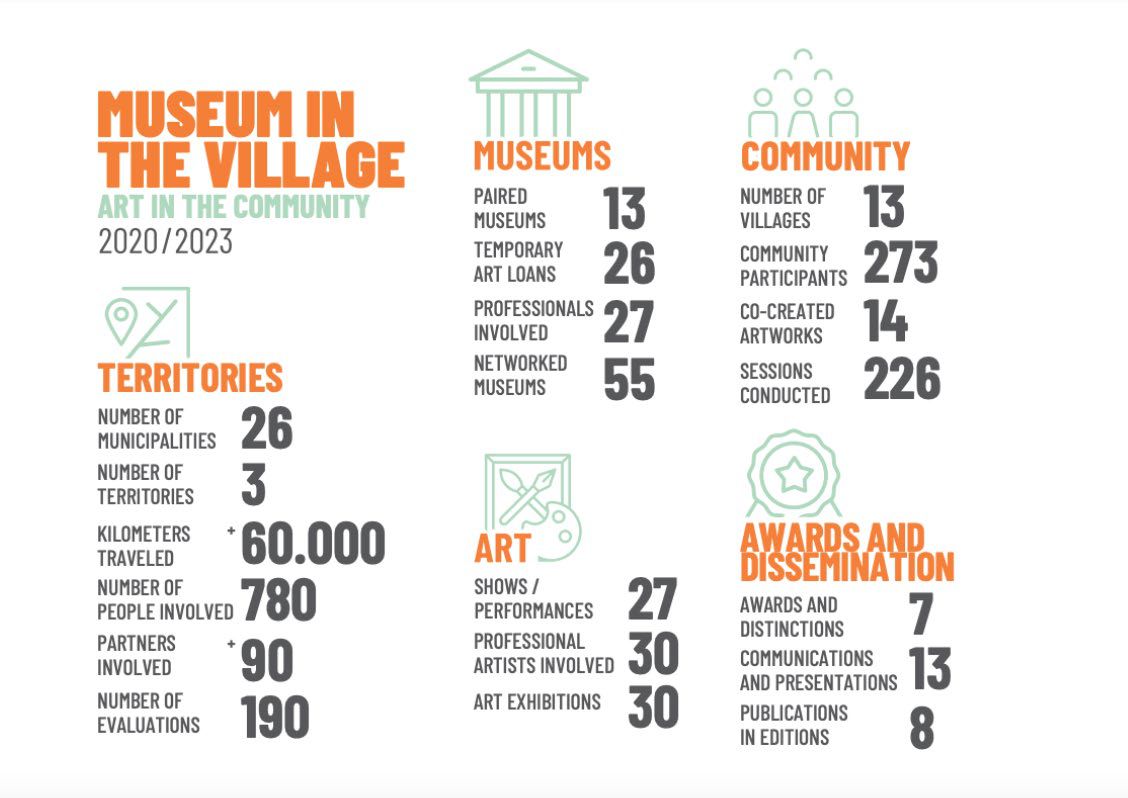
The “Museum in the Village” project required extensive effort, conducting 226 sessions with communities, mobilising more than 30 artists, and involving over 90 partners. It reached over 780 people, including 273 active community participants. This collective endeavour aimed to connect isolated communities with museums, energise the territory, and foster encounters.
The project’s impact on education, cultural mediation, and combating social isolation among the elderly is evident from its activity reports:
92% of participants felt the project improved their well-being.
94% believed the project was crucial in preventing feelings of loneliness and isolation.
83% thought it promoted relationships among community residents.
The initiative successfully activated Intangible Cultural Heritage (ICH) by raising awareness and facilitating encounters between village inhabitants and project partners. This reinforced social cohesion in isolated rural areas with limited cultural access. The 13 villages involved gained visibility and were visited by project participants, partners, regional media, and cultural tourists. For the 13 museums, it significantly increased accessibility and engagement.
The project fostered intermunicipal cooperation, involving museums, municipalities, parish councils, local associations, and SAMP. This networked approach brought together culture professionals, artists, technicians, political agents, and local authorities, developing a sociocultural mobilisation methodology and generating community values.
An innovative response to social isolation among the elderly, the project created a model and tools for intervention that can be replicated in other contexts. It highlighted the relationship between cultural and social components through artistic practices, with potential implications for redesigning local public policies.
The project also emphasised digital content, documenting the entire process through audiovisual means. This included capturing moments of sharing, producing oral history content, and creating a digital experience with images, videos, audio, and documentation. This content was shared with local groups and disseminated through the museum’s website and social media, broadening the project’s reach and promoting cultural tourism.