
Innovation in our communities goes beyond bringing in new technologies or trends. It starts with truly listening, valuing local knowledge, and building solutions together that are connected to real-life experiences. Inspired by the ideas of Paulo Freire (2014) and René Barbier (1997), innovation means having a dialogue with the land and its people—starting with ethical and empathetic listening as the first step toward change.
In this way, a culture of innovation isn’t just about inventing something new. It also involves bringing back traditions, rethinking everyday habits, and using different types of knowledge to face common challenges. Creativity is seen as something we build together over time, supported by spaces that welcome imagination, trying things out, making mistakes, and learning along the way.
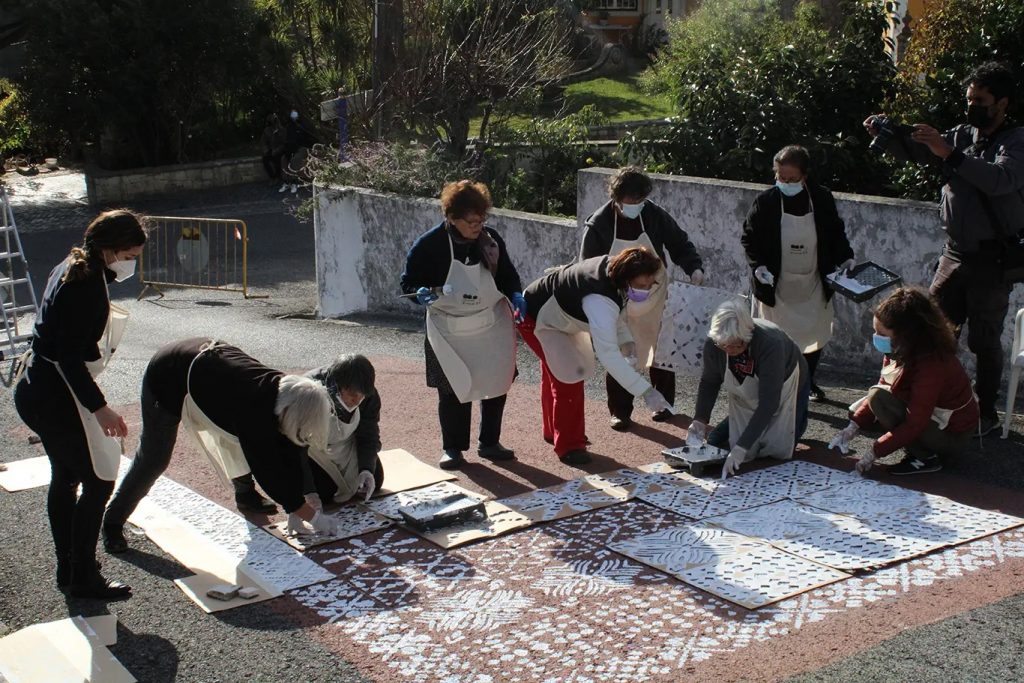
Referring to the idea of a Culture of Innovation in museums (Eid & Forstrom, 2021), we see that when environments are open to participation, collaboration, and diversity, they encourage people to get involved and become more flexible. But for innovation to really take shape, it’s important to have strong institutional support that helps organize, maintain, and guide these efforts.
That’s why setting up an Innovation Department can make a big difference: a team focused on this work, ideally with its own budget and the right tools to promote active listening, manage proposals, and clearly follow the progress of new ideas.
Encouraging a culture of innovation means building trust, recognizing the power of collective creativity, and choosing participatory leadership as a way to bring about positive change—with care, openness, and the courage to start fresh based on real experiences.