
1. UN 2030 Agenda and SDGs: Concepts of sustainability and examples of sustainable practices in communities
The 2030 Agenda for Sustainable Development, adopted by all United Nations Member States in 2015, represents a universal call to action to end poverty, protect the planet, and ensure that all people enjoy peace and prosperity by 2030. The Agenda is built upon 17 Sustainable Development Goals (SDGs), supported by 169 specific targets.
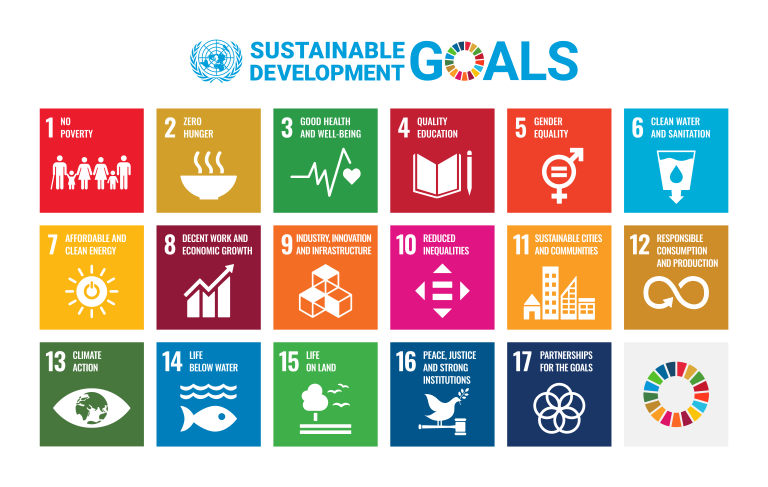
While the SDGs are global in scope, their success depends on local action. While tourism helps to deliver progress across multiple areas, it is explicitly referenced in three SDGs—Goals 8, 12, and 14.
SDG 8: Decent Work and Economic Growth: Tourism is a significant global economic driver, generating jobs, income, and entrepreneurial opportunities.
SDG 12: Responsible Consumption and Production: Tourism encourages a more conscious approach to resource use, both by providers and consumers.
SDG 14: Life Below Water: Coastal and marine tourism has a deep connection with the health of oceans and marine ecosystems. Protecting marine life ensures that coastal communities can continue to rely on these ecosystems for food, tourism, and cultural identity.
Now think about your own town—there’s surely an example of how tourism helps to highlight intangible cultural heritage. Some examples might include: festivals, folklore, handicrafts, and traditional cuisine. Visitors participate in authentic experiences, while locals benefit from job creation and the opportunity to pass down traditions (supports SDGs 8, 11, 12).
Once again, think about whether there is an example that includes a digital element. For example: digital platforms to share their stories, promote their tourism products, and sell handmade items globally. This increases visibility, expands markets, and encourages digital inclusion (SDGs 9, 10, 17).
2. Sustainable Development and Rural Communities. Relationship between local cultural practices and sustainability
Sustainable development, as famously defined in the Brundtland Report (1987), is “development that meets the needs of the present without compromising the ability of future generations to meet their own needs.”
As you can see in this definition sustainable development must be deeply rooted in the local context. Cultural tourism and the production of traditional crafts or regional foods open up new economic opportunities that diversify rural income sources. These sectors often rely on small-scale, low-impact activities that are more compatible with sustainable development.
Effective rural development requires cross-sectoral partnerships: between public authorities, private businesses, civil society, and residents themselves. Furthermore, collaboration across generations ensures that traditional knowledge is preserved while embracing the innovative ideas and technologies that younger people bring. This inclusivity also nurtures local ownership of initiatives, making projects more durable and impactful.
As you know, people in rural areas are more likely to form strong bonds with their neighbors and build a sense of community, so in this way it is crucial to create spaces and mechanisms for dialogue and networking. These can include cooperative platforms, local development groups, regional heritage alliances, and digital communities. Fostering communication among rural stakeholders helps break social isolation, encourages collaboration, and aligns efforts toward shared goals.
Innovation is not only about technology—it is also about finding creative ways to adapt traditional practices to current realities. Innovation often emerges from the intersection of cultural heritage and digital tools. By integrating cultural knowledge with technology, communities can preserve and promote sustainable lifestyles rooted in traditional wisdom. Initiatives such as digital storytelling, online marketplaces, virtual cultural tours, and remote heritage education empower rural communities to share their identity with the world.
3. Integration with Local Economy. How cultural tourism can drive rural development.
Cultural tourism offers an avenue for rural areas to diversify their economies. Rather than replacing existing rural livelihoods, it complements them by integrating cultural expression into tourism experiences. Farmers, artisans, and tradition-bearers become part of a broader value chain that serves the interests of culturally curious travelers. Opening accommodation facilities such as guesthouses, homestays, or eco-lodges, as well as ancillary services like catering, transport, guided tours, and souvenir production, can create a local tourism economy that fosters entrepreneurship and creates jobs at different skill levels.
One of the distinguishing features of cultural tourism is its potential to stimulate local collaboration. By working together—whether as tourism providers, hosts, performers, or producers—community members co-create economic and social value, encouraging more equitable development. Members of the community can find roles suited to their skills and interests, enhancing inclusivity and cohesion.
One of the most pressing challenges in rural development is the migration of young people. Within the framework of cultural tourism young entrepreneurs may find opportunities in digital marketing, tour guiding, event planning, or agro-tourism, while also having the option to work on sustainable businesses that acknowledge their heritage.
Cultural tourists are often keen consumers of local products—whether it be artisanal crafts, homemade preserves, heritage grains, or regional wines. By highlighting these products within the tourism experience, local farmers and producers can gain access to new markets and expand their customer base. This may include direct sales to visitors, participation in farmers’ markets, or collaboration with restaurants and lodging providers.