
Collaborative management means that different people and groups share the responsibility of making decisions and taking care of resources together. Unlike the old-fashioned top-down way, this approach gives local communities the power to really own and protect their heritage, helping it last in the long run. If you think about how you interact with your neighbors or other members of your community, you’ll realize that relationships built on horizontal, peer-to-peer connections and a democratic working logic help achieve common goals for the good of the community.
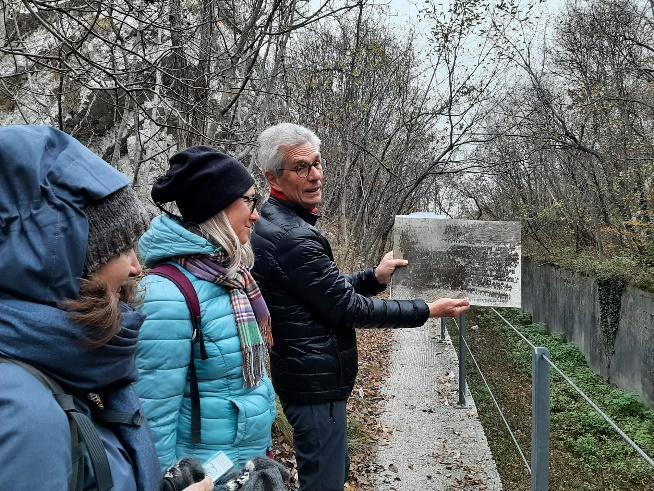
On the other hand, over time, the idea of cultural heritage has grown a lot, and now it needs experts from many fields working together to protect both tangible things (like buildings or artifacts) and intangible ones (like traditions or stories).
A big step forward was the UNESCO World Heritage Sustainable Development Policy from 2015. It brought sustainability into how we conserve and manage World Heritage sites, making it clear that protecting cultural and natural heritage has to support sustainable development goals, just like the United Nations 2030 Agenda says.
Using this global policy as a guide, no matter what kind of heritage you’re managing (tangible or intangible, natural or cultural, local or regional) we’ll point out the main ideas to keep in mind for successful heritage management.
Indeed, the UNESCO policy is structured around four key dimensions that could be useful for reflecting about the participatory methodology you want to apply for managing your heritage. These are:
- Inclusive social development: promote the active involvement of local communities in site management, respect human rights and indigenous cultures, and intergenerational equity.
- Sustainable economic development: encouraging economic activities compatible with heritage conservation, including responsible tourism, local craftsmanship, and sustainable agriculture.
- Environmental sustainability: emphasizing the protection of biodiversity, responsible use of natural resources, and resilience to climate change.
- Peace and security: recognizing heritage as a tool for intercultural dialogue, social cohesion, and conflict prevention.
This UNESCO policy aims to guide State Parties, site managers, and stakeholders toward an integrated approach in which heritage conservation and sustainable development reinforce one another. Successful examples include partnerships between municipalities and local associations that ensure cultural sites remain active and relevant to both locals and visitors. Ecomuseums could be a practical example of best practice in this field, as they work engaging local communities in heritage caring and enhancement, involving stakeholders at different levels (local, national or even international).