
Getting your community involved is key to building a strong connection between people and their heritage. Techniques like participatory mapping, workshops, and storytelling help locals share their knowledge and traditions. There are plenty of great examples where ecomuseums, among other initiatives, have used these methods to create lively, ever-changing heritage experiences that benefit both residents and visitors.
In this chapter, we’ll look closely at how community engagement helps protect intangible cultural heritage. Using successful ecomuseum examples, we’ll focus on practical tools like mapping, storytelling, and workshops that give people the power to document, interpret, and keep their heritage alive. These inclusive approaches build a shared sense of ownership, strengthen community ties, and make sure heritage stays meaningful today. Building on the previous points, it is now time to outline a set of concepts that will lead us into the following sections::
- Participatory Decision-Making Models:
Techniques for inclusive governance in heritage projects, ensuring community voices shape outcomes. - Community Mapping and Oral History Projects:
Practical methods for documenting local knowledge, landscapes, and traditions through collective memory. - Engaging Youth, Local Businesses, and Volunteers:
Strategies to involve diverse community members in heritage activities, from co-creation to promotion.
Engaging Youth and Volunteers in Heritage Projects
Getting young people and volunteers involved in heritage projects isn’t always easy, but it’s really important for reaching a wider audience and making sure heritage is preserved for the long term. Engaging young people in heritage management takes creativity and ongoing effort to bridge the gap between generations in the community. Involving youth and volunteers is key to making these projects sustainable and successful. When young people help protect cultural traditions, it helps them feel connected to their community and proud of their local heritage. Here are some actions that can help involve young people in community-led heritage management:
1. Heritage workshops
They provide young people with the opportunity to actively participate in preserving and promoting cultural heritage. By engaging in hands-on activities youth gain a deeper understanding of their heritage and become advocates for its conservation. Some ecomuseums use Parish Maps to raise awareness on local heritage.
2. Partnerships with schools:
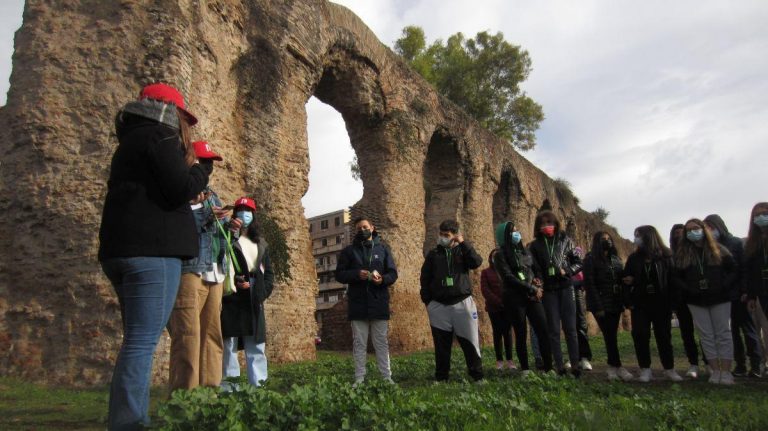
Collaborating with schools helps to integrate a wide idea of heritage that could contribute in raising awareness on local heritage, tangible or intangible. Students can participate in projects such as creating oral histories, mapping local landmarks, or conducting research on community traditions. These partnerships not only educate youth but also encourage them to take an active role in the preservation of local culture.
3. Digital Engagement Campaigns:
With the rise of digital media, there is an increased use of social platforms to connect with younger audiences. Digital storytelling, virtual tours, and online heritage challenges allow youth to engage with their cultural heritage in innovative ways. These campaigns expand the reach of heritage projects and encourage a global conversation about the value of preserving traditions.
By incorporating these strategies future generations are informed about their heritage but also actively involved in its preservation. Volunteers, especially young people, become the driving force behind a sustainable and dynamic heritage movement. Volunteering is here a way to present different work perspectives to students.