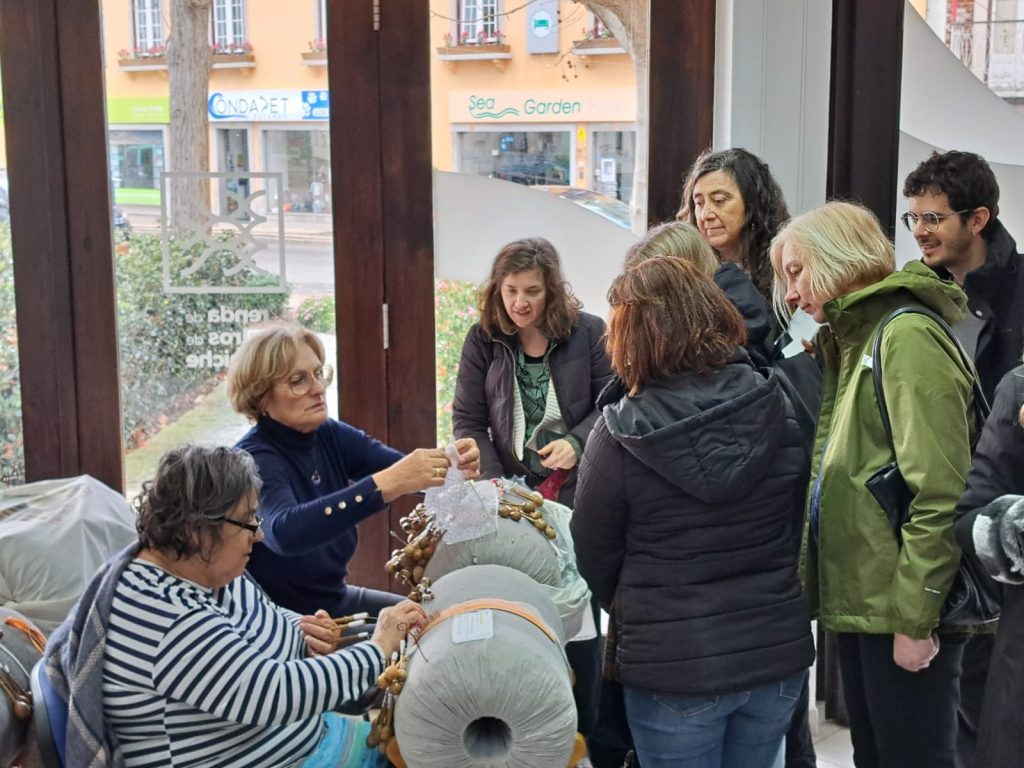
To identify and document Intangible Cultural Heritage (ICH) together with communities — especially in rural areas, where ICH is closely linked to the land and everyday life — it is important to use methods based on listening, dialogue, and respect for local realities.
Finding ICH is more than just watching; it means recognizing it along with the community. Over time, many helpful methods have been created. Some of the most used techniques are:
- Open interviews and community dialogue circles with local people, especially elders and knowledge keepers, to gather life stories, shared memories, and the deeper meanings behind cultural practices. (Florêncio et al., 2016).
- Emotional mapping and social cartography, which help show the places where ICH happens — like markets, gardens, trails, churches, ovens, springs, or gathering spaces. (Sou et al., 2022).
- Shared field diaries and photo/audio documentation, created with the community’s participation, respecting their pace and always getting clear and informed consent. (UNESCO, 2024; EcoHeritage, 2024).
- Participatory inventories, which organize the information in forms, descriptions, and stories, using formats like text, video, or audio. These help give visibility to local voices and guide future actions. (Florêncio et al., 2016; Horta et al., 1999).
Cataloguing should respect oral traditions, different languages, and traditional ways of passing down knowledge. Using videos or audio recordings — always with consent — is a powerful way to tell stories, keeping the emotional and sensory richness of ICH alive. More than a technical task, this is a shared journey of recognition and valuing the living cultural memory of a community.