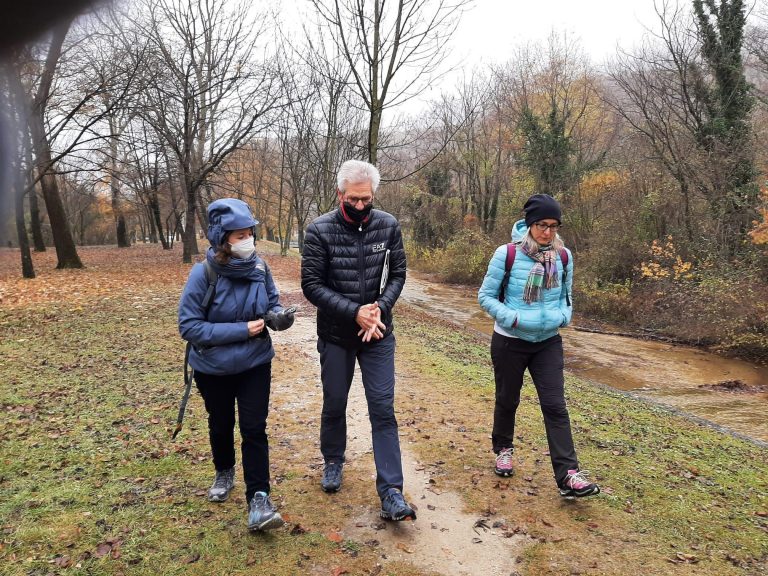
Getting local communities involved in managing their heritage is key to building sustainable tourism and boosting local development. When people have a say in preserving and promoting their cultural and natural assets, the benefits of tourism are shared fairly, and locals play a central role in decisions about their heritage.
Ecomuseums, for example, play a big role by encouraging local businesses, like selling crafts, offering traditional food experiences, and guided tours led by locals. Real-life examples show how these efforts help communities stay economically strong while keeping their culture alive.
1. Community Involvement in Decision-Making
In this approach, communities take an active part in spotting, protecting, and showcasing their heritage. Through local councils, meetings, and workshops, residents can help decide how their heritage is cared for and used. This way, heritage projects truly reflect the community’s values, needs, and hopes.
2. Heritage as a Tool for Sustainable Tourism
Tourism thrives when local people feel empowered to manage and explain their heritage. Encouraging responsible tourism that respects traditions and the environment helps protect the cultural and natural integrity of the area. It also encourages visitors to connect with local culture in a meaningful way, creating a win-win for both tourists and residents.
3. Economic Benefits for Local Development
When communities lead heritage management, they can benefit directly—whether it’s through guiding tours, selling crafts, or offering hospitality. This helps build a sustainable local economy, giving communities more independence while keeping their cultural and natural heritage alive for the long haul.
By weaving participatory heritage management into tourism plans, communities become stronger and more resilient. This approach protects cultural heritage and supports a tourism model that’s inclusive, sustainable, and beneficial for everyone involved.