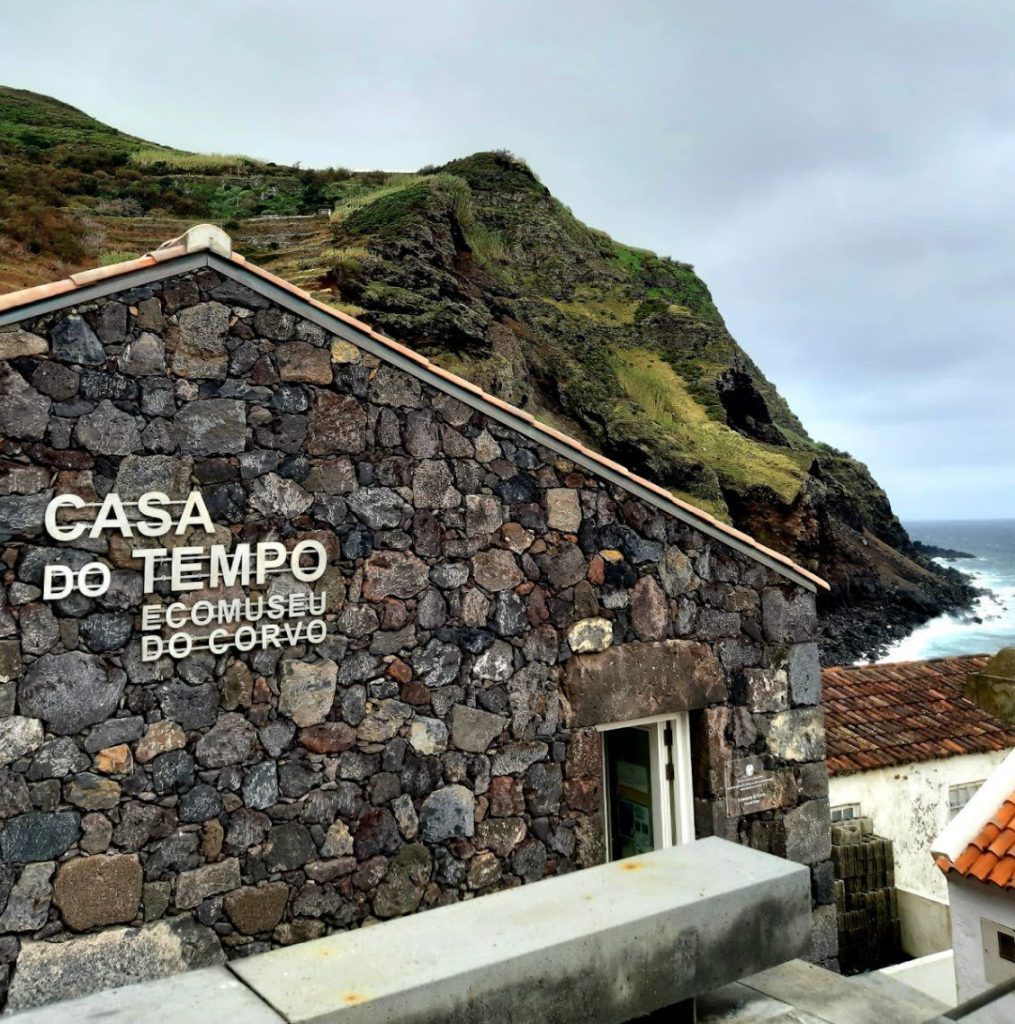
Corvo Ecomuseum visitor’s centre, “House of Time”. Source: HIGHRES team.
The initiative is part of the Ecomuseum do Corvo, a dynamic process where the community preserves, interprets, and manages its heritage for sustainable development. This approach promotes the recognition and affirmation of the island’s identity and acts as a catalyst for local socioeconomic development, generating wealth and serving the community’s interests.
The project aims to build a comprehensive database of oral testimonies from long-time residents of Corvo, focusing on local traditions, knowledge, and cultural expressions. The goal is to preserve, value, and disseminate the island’s heritage by creating a digital repository of Corvo’s memory. This repository will support future research, provide educational and museum communication resources, and promote sustainable development and local tourism.
Additionally, the project includes a participatory photographic inventory, capturing images of the inhabitants to complement the collected memories. This visual documentation enhances the oral testimonies, providing a richer and more complete portrayal of the island’s cultural heritage
Through these efforts, the initiative not only safeguards Corvo’s unique traditions and knowledge but also fosters community engagement and contributes to the island’s sustainable growth and tourism.
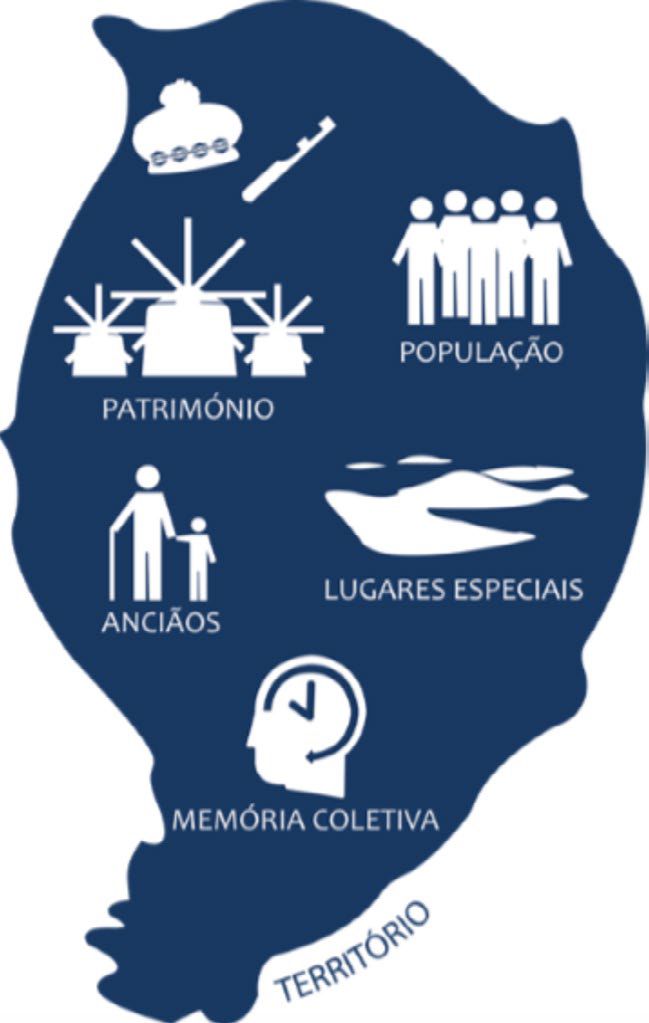
Elements of Corvo Ecomuseum: The territory’s heritage, population, special places, elders, collective memory. Source: Corvo Ecomuseum webpage.
1.2. Information about the initiative
Contact person: Deolinda Estêvão
Position: Director
Number of people involved: Large team
Profile of people involved: staff, community members
Qualification/training of people involved: traditional knowledge, academics/researchers, museum professionals, technical experts
1.3. Training
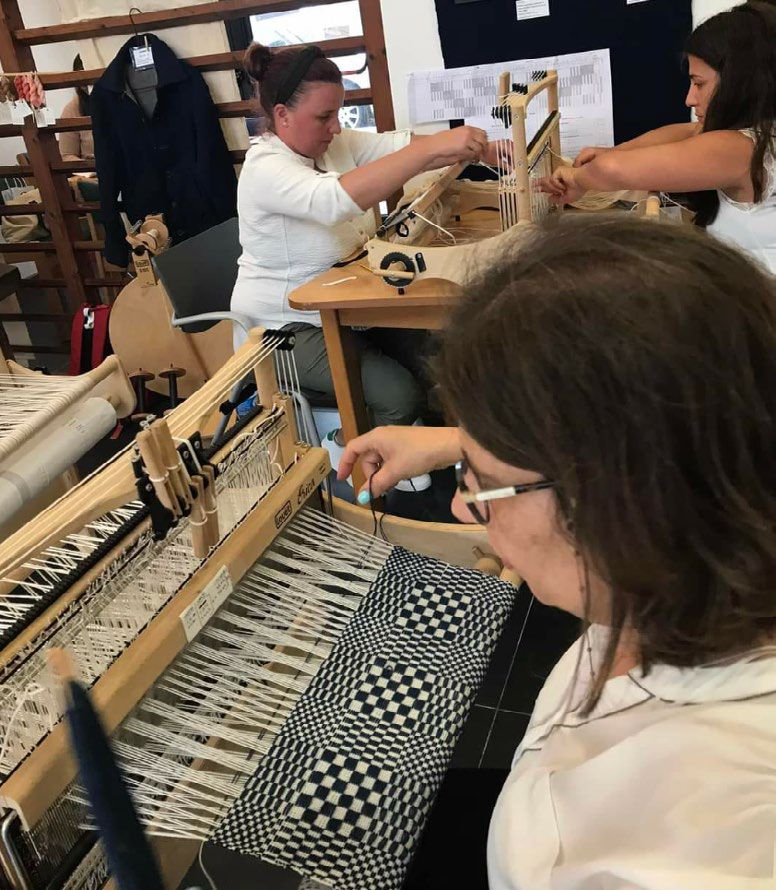
The Ecomuseum acknowledges the vulnerability of local traditions and emphasises the urgent need to train community members in preservation methods. Extensive consultations with local elders have been conducted to capture their insights and document their experiences, ensuring that knowledge is transmitted to future generations. Scheduled workshops, including weaving sessions, aim to revive and protect these traditions.
Additionally, a mandolin group, formed in collaboration with the local school, seeks to rejuvenate folklore and traditional music, recognising the crucial role of this partnership in heritage education. The Ecomuseum is committed to sustaining these educational efforts and fostering youth engagement in understanding, conserving, and sharing their heritage.
Further capacity-building activities are necessary for the local community to revive traditions like weaving and to provide artistic training to support local music and theatre groups. Due to the island’s isolation, external trainers are brought in for on-site sessions, which are considered more effective in meeting the community’s needs.
Section 2. Description of the ICH involved
ICH Type:
Social practices, rituals and festive events
ICH Recognition:
In danger of disappearing
Locally recognized
Well-known
Community involvement in the identification and management of the ICH:
Low
Medium
High
Since 2015, the Ecomuseum of Corvo has been actively identifying and collecting information about the island’s memory and heritage. Through engaging with the community and conducting participatory activities, such as the Photograph Collection and Exhibition Project, the Ecomuseum has expanded its scope to include cultural references, arts, crafts, forms of expression, and traditional practices as integral components of local heritage.
Training in traditional weaving techniques for community members, June 2024. Source: Facebook post
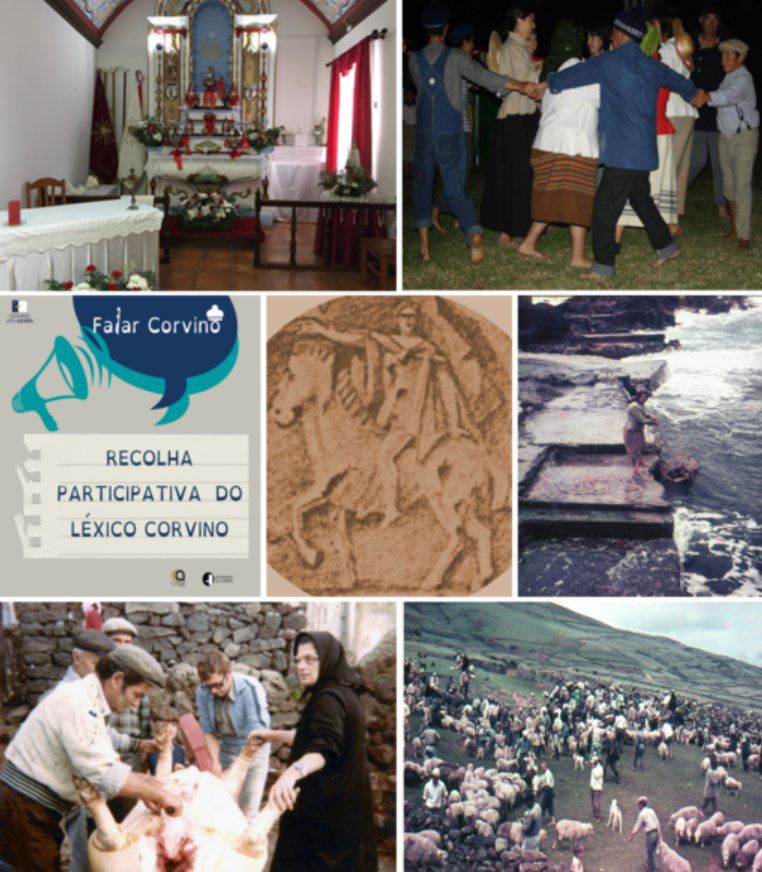
The Ecomuseum’s activities revealed that the memory of past times is deeply embedded in local festivals, social practices, crafts, and gastronomy. This cultural memory fosters a sense of participation and belonging among community members, reinforcing their group identity and connection to the territory. The following elements have been identified as significant Intangible Heritage at a local level:
The Wool Cycle
The Holy Spirit Cult
The Corvino Lexicon
Pig Slaughtering
Corvo Legends
Sargasso Gathering
These elements are detailed on the Ecomuseum’s website, showcasing their importance to the community.
Elements that have been identified as significant Intangible Heritage at a local level. Source: Corvo Ecomuseum webpage.
To preserve and transmit this heritage to future generations, the Ecomuseum engages in various activities and projects. For example, the TASTE Project – Taste Azores Sustainable Tourism Experiences, developed in collaboration with CEEAplA (Center for Applied Economics Studies of the Atlantic) and CHAM (Center for Humanities of the University of the Azores), produced several videos available on the Museum’s website. These videos help document and share the island’s intangible heritage, making it accessible to a wider audience.
#TASTE – Episode 26. Memórias e vivências da alimentação na ilha do Corvo [Memories and experiences of food on the island of Corvo].
#TASTE – Episode 41. As Couves da Barça. Uma tradição da gastronomia na ilha do Corvo [Couves da Barça. A gastronomic tradition on the island of Corvo].
#TASTE – Episode 62. As filhoses do Entrudo na ilha do Corvo [The children of Carnival on the island of Corvo].
#TASTE – Episode 66. A confeção do pão de milho na ilha do Corvo: memórias e vivências [The making of corn bread on the island of Corvo: memories and experiences].
#TASTE – Episode 75. As tortas de erva patinha na ilha do Corvo [Herb pies on the island of Corvo].
#TASTE – Episode 87. A produção do queijo artesanal na ilha do Corvo [Artisanal cheese production on the island of Corvo].
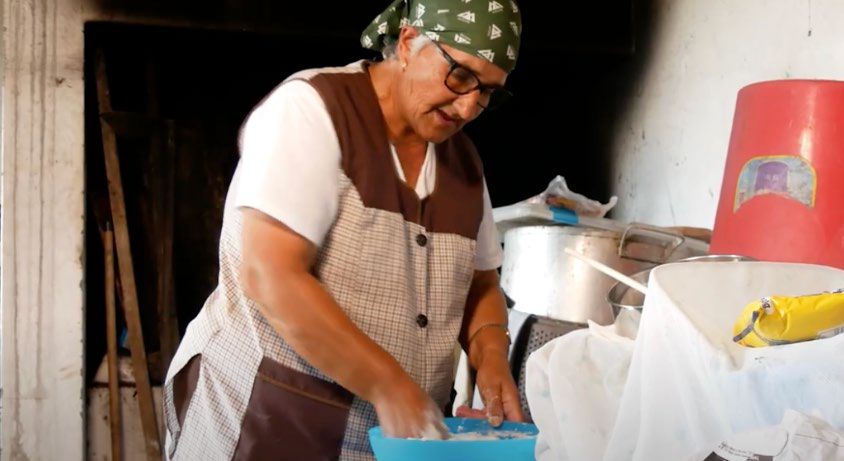
Community member sharing her memories and experiences of food in Corvo Island. Source: Screenshot from YouTube video.
The Ecomuseum operates with a participatory management approach, involving community members in the identification, documentation, and preservation of their heritage. This collaborative model ensures that the community’s voice and knowledge are central to the Ecomuseum’s activities.
To promote cultural tourism, the initiative aims to continue these efforts by creating a digital platform for the Museum. This platform will make the collected records and videos readily available to the public, enhancing the visibility and appreciation of Corvo’s intangible heritage. By making these cultural elements accessible online, the Ecomuseum seeks to attract visitors and researchers, fostering a deeper understanding and appreciation of the island’s rich cultural traditions.
Section 3. Narrative creation and
adaptation to digital communication format
Process of content creation
How is it communicated
in a digital format?
Audiovisual, multimedia
On-site exhibition, website, video/audio platform (Youtube), social media (Instagram, Facebook...)
Building on the preliminary mapping conducted by the Ecomuseum, the team has focused on field activities, which include interviewing community members and documenting their participation through notes, filming, drawings, and photographs. This primary information is then supplemented and cross-referenced with data from various sources such as local libraries, associations, books, and websites. This approach recognises that some cultural references may have changed or disappeared over time.
The process acknowledges the multiplicity of perspectives inherent in cultural heritage. Different people may have varying or even opposing views about the same cultural reference based on their personal experiences and relationships with it. This diversity of perspectives is integral to the documentation process.
From initial interviews to the final editing of the material, the entire process is participatory, fostering collaboration between the museum and the community. Regular discussion sessions are held to evaluate and select the content to be disseminated. This ensures that the narratives are authentic and reflect the community’s collective memory.
The resulting digital content, including videos, drawings, and photographs, is adapted for various platforms to reach a broader audience. This method not only preserves the cultural heritage of Corvo but also makes it accessible and engaging for future generations and visitors. By leveraging digital communication formats, the Ecomuseum can effectively share the rich and diverse cultural heritage of Corvo with a global audience.
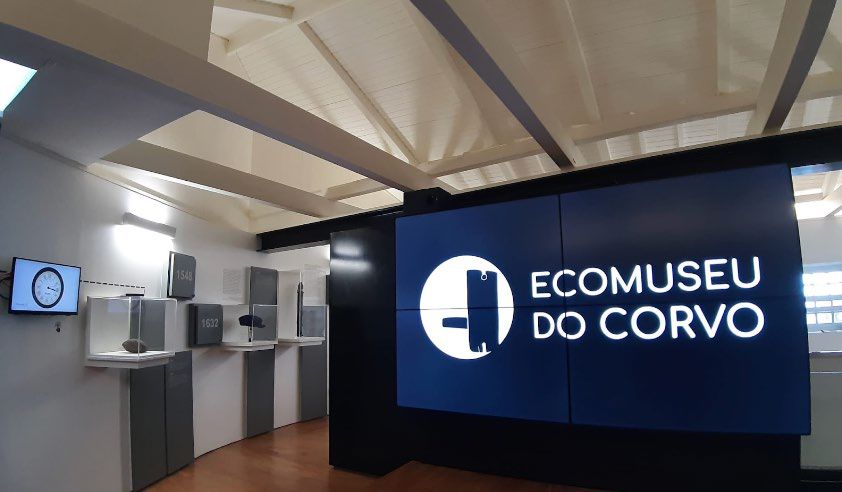
Corvo Ecomuseum multimedia exhibition space. Source: HIGHRES team.
3.1. Local Population
In Corvo, with a population of 386 residents (as of 2021), community engagement in the Ecomuseum’s activities is notably high. Some events attract over 150 participants, demonstrating significant local involvement.
The Ecomuseum encourages active participation from the local community in its planning and activities. A key mechanism for this is the “Grupo de Amigos do Ecomuseu do Corvo” (Group of Friends of the Corvo Ecomuseum), a focus group that provides valuable feedback and input via email and online forms. This input is integral to the planning process.
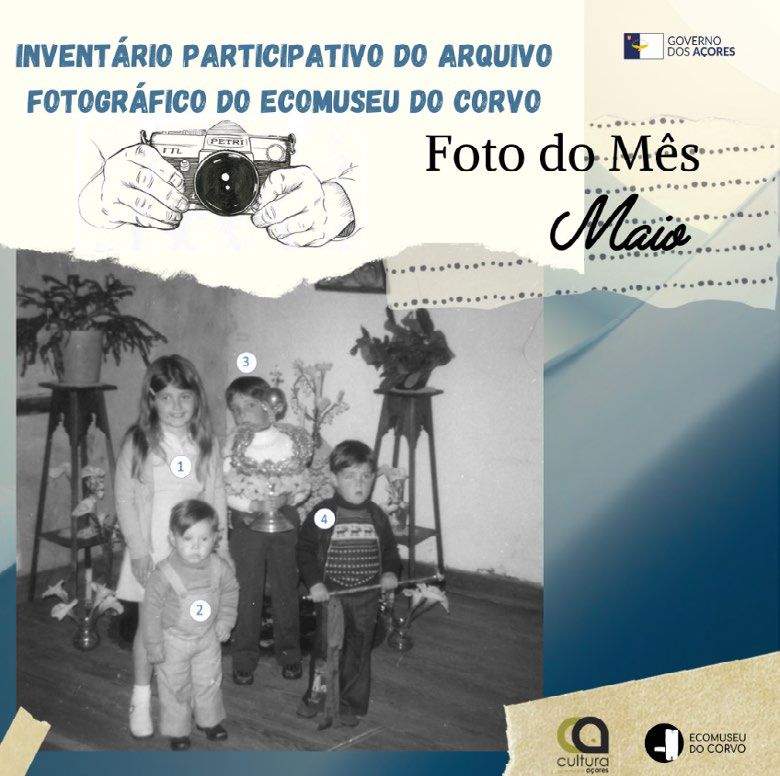
Corvo’s Ecomuseum Photograph Inventory Archive, photo of the month, May 2024. Source: Facebook post
Community mobilisation, facilitated by the Ecomuseum, is crucial for the project’s success. The Photograph Inventory Project, for example, serves as a catalyst for community discussion and involvement. Residents contribute their photos and actively participate in the documentation process.
All stages of planning and information gathering, from interviews to final editing, are conducted in a participatory manner. The museum and the community co-create the content, ensuring that all voices are heard and respected. Methodologies that recognise the reciprocity of knowledge are employed, with regular sessions for discussion, monitoring, and evaluation.
This approach ensures that community participation is active rather than passive. Residents are not just interviewees or audience members; they are co-producers, deeply involved in preserving and sharing their cultural heritage. This collaborative model fosters a strong sense of ownership and pride in the community’s heritage.
Section 4. Audience and methodologies
Target audience: tourists/visitors, local community, students, Cultural Heritage researchers/ professionals
Reach:
Low
Medium
High
Aim of sharing the stories:
Preserve traditions
Promote tourism
Social cohesion
Frequency: Permanent activity
The dissemination of the Corvo Ecomuseum’s initiative relies on a multifaceted approach to reach a broad audience. Primarily, the initiative is publicised through the museum’s website, which serves as a central hub for information and updates. Additionally, a significant amount of promotion occurs on-site at the museum during activities and events.
The museum employs various methods to engage the local community, including open calls on posters, announcements on Facebook, and leveraging the “Grupo de Amigos do Ecomuseu do Corvo” (Group of Friends of the Corvo Ecomuseum), which has extensive local reach. This group plays a crucial role in spreading awareness and encouraging community participation.
Active collaboration with other institutions and partners also helps publicise the initiative. Presentations in academic and other off-island spaces contribute to broader recognition.
For instance, the museum’s participation in the EcoHeritage Project in 2022, as a case study, has provided international exposure. The project’s details are accessible on the EcoHeritage learning platform, highlighting the museum’s innovative practices and generating opportunities for international publicity.
Through these combined efforts, the Corvo Ecomuseum ensures that its digital storytelling and preservation of intangible cultural heritage reach both local and global audiences, fostering greater awareness and appreciation.
Section 5. Innovative aspects
Grounded in the principles of Sociomuseology, the Ecomuseum do Corvo prioritises community participation throughout its processes. This initiative employs methodologies that emphasise the reciprocity of knowledge and participatory inventory, recognising that the involvement of the local community is fundamental to any museological endeavour.
The innovative aspect of this approach lies in its commitment to making the museum not just a storyteller of the place’s history but an active participant in the community’s daily life. By involving residents in all stages—from planning and documentation to dissemination—the museum ensures that it reflects the community’s desires and needs. This participatory model transforms the museum into a dynamic tool for sustainable cultural and economic development.
Furthermore, the initiative integrates modern digital storytelling techniques with traditional cultural practices, creating a unique platform that both preserves and revitalises local heritage. The use of digital platforms, combined with active community engagement, allows for a broader dissemination of Corvo’s cultural narratives, promoting cultural tourism and fostering a deeper connection between the community and its heritage.
Overall, this approach exemplifies how museums can serve as catalysts for community development, leveraging local knowledge and participation to achieve sustainable outcomes
Section 6. Impact
Impact on tourism:
Low
Medium
High
Impact on local sustainable development:
SDG1. Poverty eradication
SDG3. Good health and well-being
SDG4. Quality education
SDG5. Gender equality
SDG10. Reducing inequalities
SDG11. Sustainable cities and communities
SDG12. Sustainable consumption and production
SDG13. Action against global climate change
The project focuses on preserving and promoting the unique knowledge, expressions, and traditions of Corvo. By making the Ecomuseum’s centres accessible to visitors and offering activities such as workshops and guided tours, the initiative actively engages both locals and tourists.
The Corvo Ecomuseum aims to safeguard and affirm the island’s natural, historical, landscape, and cultural heritage. This commitment not only preserves the rich traditions of Corvo but also promotes local development and enhances the quality of life for the island’s residents.
Emphasising sustainable development, the project ensures that the preservation efforts contribute to the community’s long-term well-being. The active involvement of the local population in these activities fosters a sense of pride and ownership, reinforcing the cultural identity of Corvo. Additionally, by attracting tourists through well-organised tours and engaging workshops, the initiative boosts the local economy and creates opportunities for economic growth.
Through these efforts, the Corvo Ecomuseum not only preserves the island’s unique traditions and knowledge but also enhances the community’s capacity to sustain and develop these cultural assets for future generations. The initiative’s impact is thus both profound and far-reaching, reinforcing the museum’s role as a catalyst for positive change within the community.
Overall, the Corvo Ecomuseum’s approach integrates cultural preservation with sustainable development, making a significant positive impact on both the community and its heritage.
We use cookies to ensure that we give you the best user experience on our website. If you keep using this website we assume that you agree.