Module 5.

Bringing Stories Online: Hosting and Sharing Digital Narratives

Nowadays, the information and data circulating on the internet, in mass media, and on social networks have gained great importance due to their power to shape the way we think and how we live. However, they have also created an atmosphere of disinterest and distrust caused by fake news. That’s why our trust in the internet takes a serious hit! Therefore the goals of digital communication today, are focused on identifying the right web spaces or dissemination channels to establish truthful and high-quality content.

In this module, we will think about how and where to host our stories. What types of platforms allow us to share stories that empower the Intangible Cultural Heritage of our communities, and how can we transfer our stories in a simple and direct way on the web. Even though this might seem like something only experienced IT pros can handle, after reading this training module, it’ll all feel a lot more manageable.

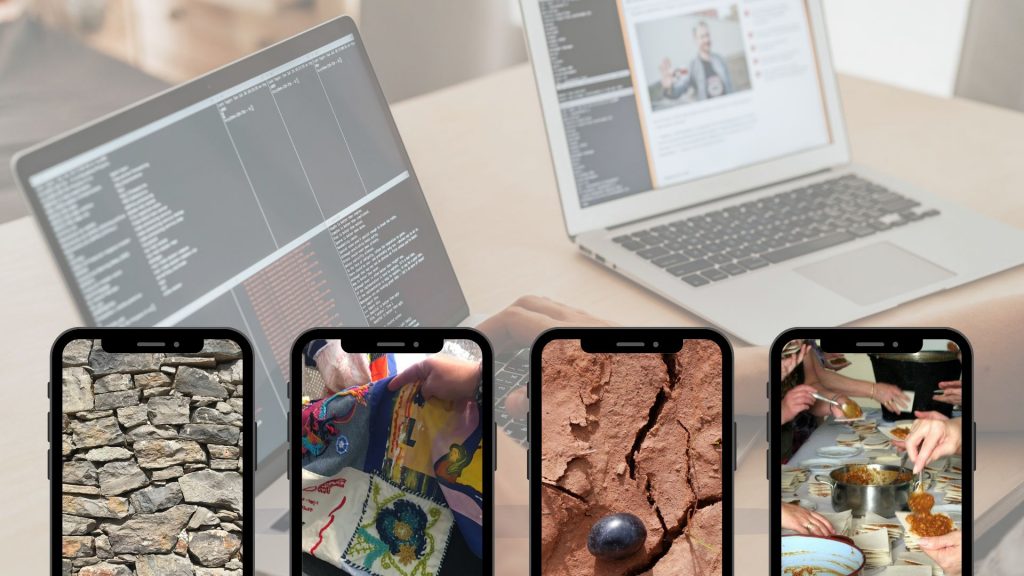
Fig. 1. Bringing Stories Online. Design by the authors.

Chapters

Introduction

In this introductory chapter, we will raise the central question of Module 5: How do we think about our relationship with the internet today, and how do we approach the creation and localization of digital content? This question arises from critically examining the current issues surrounding the internet, particularly in relation to fake news and the ownership of information.

Where Do Stories Live Today?: Models of platforms for story sharing

In this chapter, we will explore the different types of spaces available on the internet that allow us to share our own content. We will also look at the advantages and disadvantages of each model.

Heritage in Resilience: Design and development of a community digital storytelling platform

The main objective of this chapter is to learn how to design a web space to transfer and give visibility to our digital narratives. Without requiring extensive knowledge of computer science, we will cover the essential components needed to create such a space. The content of this chapter has a more technical focus.

Stories to Remember: Online content management

In the following, we will focus on the content we will offer on our platform, as well as the possibilities we have to create an active user community. Finally, we will discuss platform maintenance and the regularity of content publication.

Case Studies

In this section, we will look at two examples of good practices related to the topic covered in this module. That is, we will explore two websites from projects dedicated to the dissemination of Intangible Cultural Heritage through storytelling. These examples will help us visualize the concepts discussed in the previous chapters and will encourage us to reflect on our own project.

To illustrate all the content covered so far in this training, we will take two projects from the “Book of Good Practices”published by our project, HIGHRES, which is freely available at the following link.

Stories have power

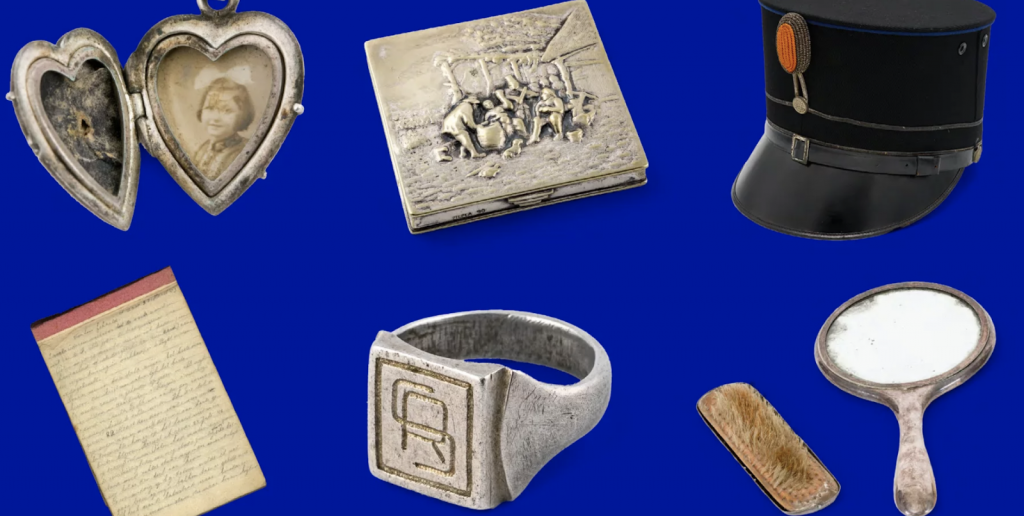
Fig. 5. Image from the National Holocaust Museum of Amsterdam website.
The National Holocaust Museum in Amsterdam publishes on its website and distributes on music streaming platforms a podcast that tells various life stories of people who suffered during the Holocaust in the Netherlands. The podcast is called “Vergeet me niet”, which means “Don’t forget me”, and it serves as a reference model for how to share content related to Intangible Cultural Heritage through digital storytelling. This example also shows us the possibility of disseminating our content from our own website to streaming platforms, thereby giving our stories a wider window of exposure

An interactive multimedia space for communities

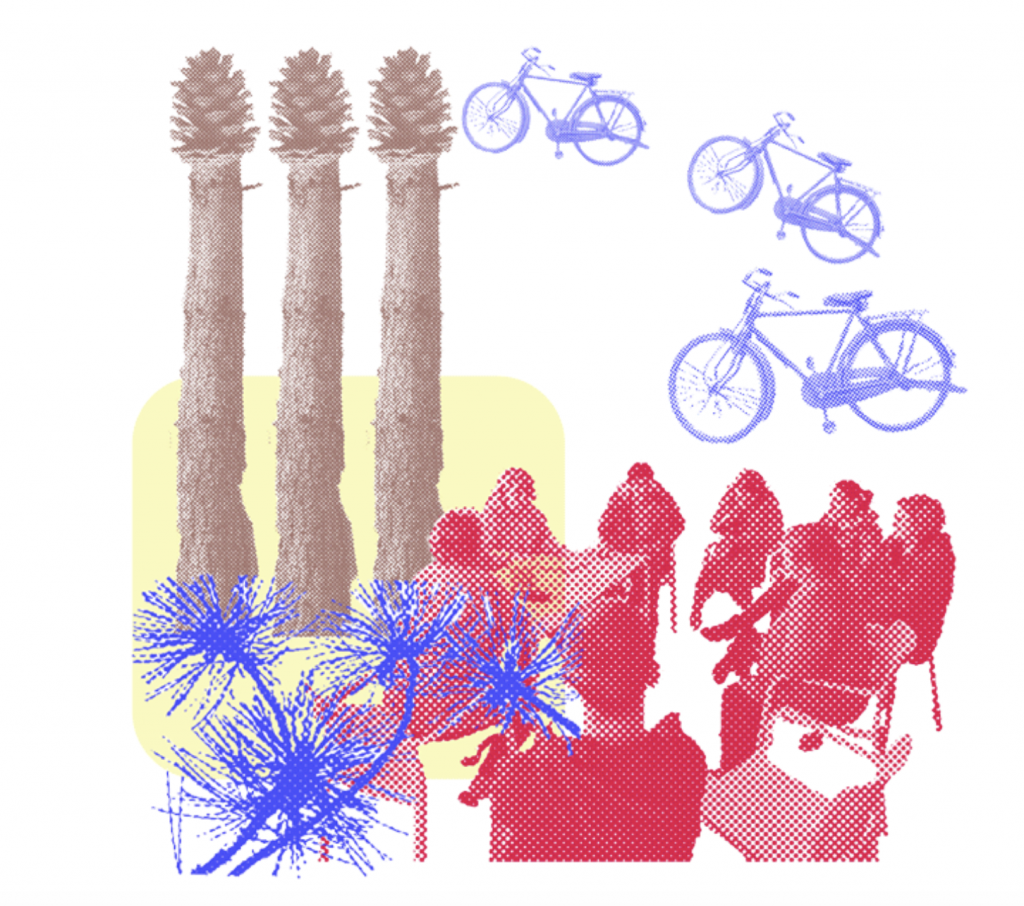
Fig 6. Image from the project “Museu na Aldeia” website.

The “Museu na Aldeia” project offers a platform with multimedia content, mapping, and interactive elements in video, audio, and image formats that highlight the traditions and heritage of various rural areas in Portugal. In the link below, we can see a specific example — the exhibition “Sons na Eira” — where, through text, animated image collages, and audio, the traditions of Moita, Portugal, are narrated.

Self-assessment Tools

Self-reflection questions

Q1

Imagine a website designed to give visibility to the Intangible Cultural Heritage of your region: what elements should it include?

Q2

Which online tools and resources do you think we can use to build a brand or identity that helps give visibility to a locality’s traditions?

Q3

Can a connection be created between a social media profile and a self-managed website? How do you think they can complement each other?

Q4

How do you think storytelling and Intangible Cultural Heritage can combat the wave of fake news and low-quality content on the internet?

Q5

Think of tools or actions on the internet that can help us connect with users interested in digital storytelling and Intangible Cultural Heritage.

Q6

In addition to the elements we’ve already covered in the previous chapters that help keep our web community informed, what other elements do you think could be effective in this regard?

Self-evaluation test

References