
Module 1.

Identification and Cataloging of Intangible Cultural Heritage in Rural Areas

On many occasions, when the word heritage comes up in conversation, the first thing that comes to mind is those historic buildings that, over time, have gained symbolic meaning and cultural value for humanity, places we’ve often visited and photographed. We also frequently think of works of art, archaeological findings, museums, and other valuable material elements. But sometimes we overlook the expressions, festivals, traditions, or knowledge that also form part of a society’s cultural heritage.

This module introduces Intangible Cultural Heritage (ICH) based on the UNESCO Convention (2003), highlighting its importance for identity and cultural continuity in rural areas. It presents ICH categories, participatory techniques for identification and cataloguing, and ethical principles for its safeguarding. Contemporary challenges are discussed, along with valorization strategies such as heritage education and community-based tourism. The case study of the Corvo Ecomuseum illustrates the connection between memory, territory, and participation. Finally, it proposes self-assessment tools to foster critical reflection and local empowerment.

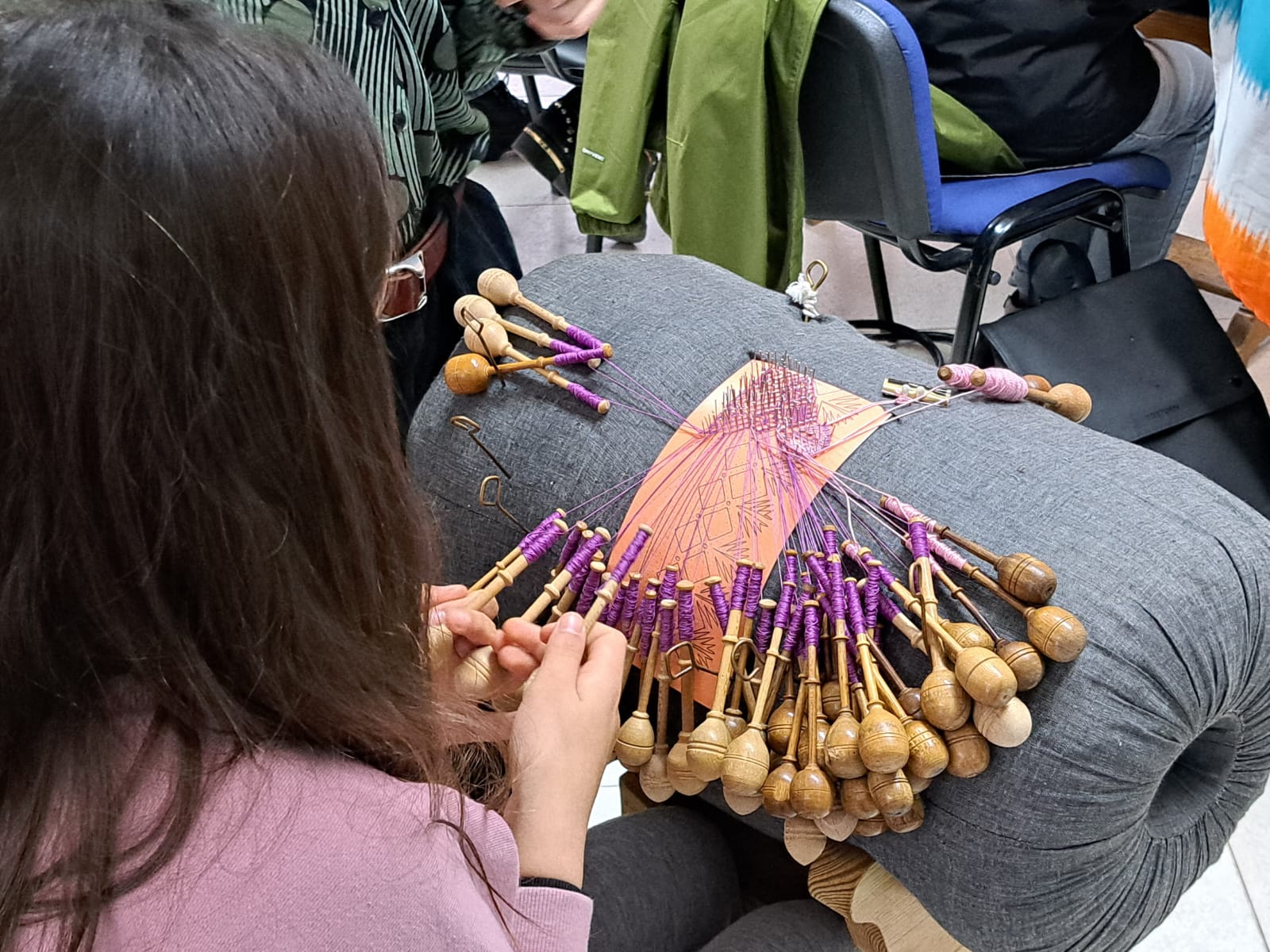
Fig. 1. Bobbin Lace tradition in Peniche, Portugal. Source: HIGHRES Archive.


Chapters

Introduction

This module invites reflection on the Intangible Cultural Heritage (ICH) present in communities. It highlights the importance of listening to, mapping, and valuing living cultural practices in rural contexts. The aim is to develop practical and critical skills to act as a cultural mediator and mobilizer, recognizing local knowledge and strengthening community bonds.

Intangible Cultural Heritage

This chapter presents the concept of ICH according to UNESCO, emphasizing practices and knowledge collectively recognized. It stresses that safeguarding goes beyond technical documentation, requiring intergenerational transmission and adaptation. It values the role of listening, dialogue, and collective action in preserving cultural diversity.

Types of Intangible Cultural Heritage 

This section explores the five main ICH categories outlined by UNESCO: oral traditions, artistic expressions, social practices, knowledge related to nature, and traditional craftsmanship. It highlights how these categories often intertwine in living practices and must be recognized based on community perspectives.

Techniques for Identification and Cataloguing

This section presents participatory methods for mapping and documenting ICH in rural areas, such as interviews, emotional mapping, and collaborative inventories. It advocates for an ethical, context-sensitive approach, prioritizing community involvement and the recognition of local knowledge.

Ethics, Cultural Rights, and Intellectual Property

This section addresses the fundamental ethical principles in documenting Intangible Cultural Heritage (ICH), with an emphasis on informed consent, community agreements, and the promotion of local autonomy. It highlights the importance of protecting collective cultural rights, shared intellectual property, and digital rights in digital environments, and also explores how storytelling, when used ethically and sensitively, can strengthen listening, representation, and the safeguarding of ICH.

Valuing ICH and Contemporary Challenges

This chapter discusses how to enhance ICH through education, sustainable tourism, cultural policies, and digital technologies. It highlights challenges such as rural exodus and the breakdown of intergenerational transmission, proposing community-based strategies grounded in dialogue and collective action.

Case Studies

The Ecomuseum of Corvo is an initiative that promotes participatory safeguarding of ICH on the most isolated island of the Azores. It maps local knowledge and organizes community activities, valuing the territory and residents as curators of their own culture, in line with sociomuseology principles.

Ecomuseum of Corvo (Portugal)
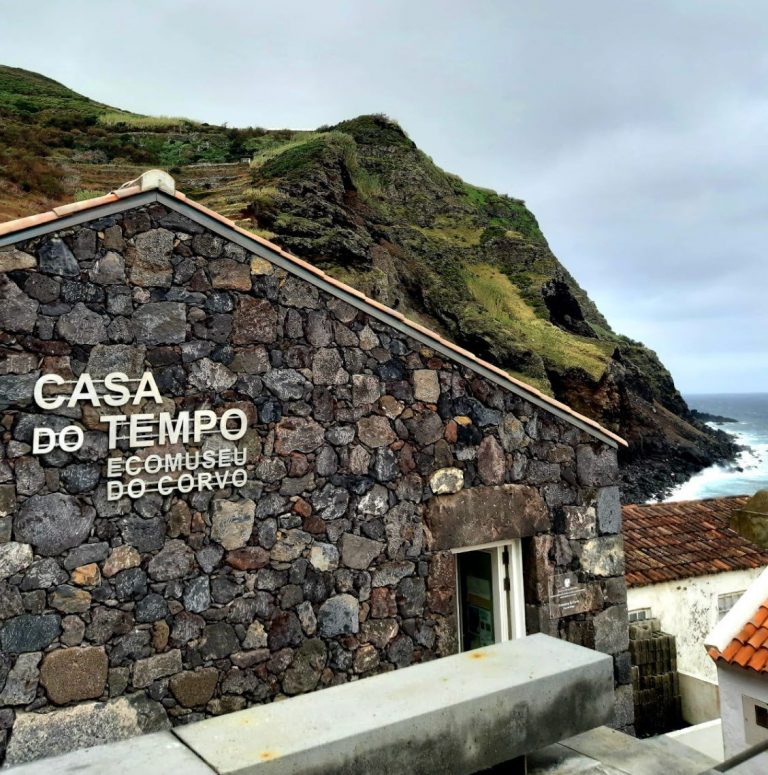
Located on the smallest and most isolated island of the Azores, the Ecomuseum of Corvo is an initiative focused on valuing ICH, born from the desire to preserve and transmit traditional ways of life in the face of depopulation and the pressures of globalization.

The ecomuseum develops participatory inventories, collectively mapping knowledge and practices such as artisanal fishing, bread-making, and oral traditions related to the sea and land cultivation. It also organizes community exhibitions, guided tours, dialogue circles, and environmental actions that strengthen the connection between ICH and the island’s landscape. The activities developed by the Ecomuseum also integrate storytelling as a tool for cultural mediation — residents share their experiences, knowledge, and memories in the first person, strengthening the link between past, present, and future.

It is a museum without walls, where the territory is the collection and the residents are the true curators of their own culture (Ecoheritage, 2024). This perspective aligns with the principles of sociomuseology, which recognizes the museum as a tool for social transformation and community dialogue (Primo & Moutinho, 2020). 

Self-assessment Tools

Self-reflection questions

Q1

What characterizes Intangible Cultural Heritage in your community?

Q2

What living cultural practices exist in your community?

Q3

Who are the knowledge keepers in your locality?

Q4

How could you begin a participatory mapping of local ICH?

Q5

How can the use of stories and narratives strengthen the recognition and appreciation of ICH in your community?

Q6

What ethical considerations should be taken when documenting a tradition?

Q7

What is your community already doing —or what could it do— to preserve its cultural practices?

Q8

How can different generations be involved in recognizing and valuing ICH?

Q9

What local resources (schools, associations, public spaces) can support a participatory inventory?

Q10

How can ICH engage with local challenges (unemployment, migration, loss of identity)?

Self-evaluation test

References

Council of Europe. (1992). European Convention on the Protection of the Archaeological Heritage (Revised). European Treaty Series, 143.

Council of Europe. (2005). Faro Convention on the Value of Cultural Heritage for Society.

EcoHeritage. (2024). EcoHeritage Project. EcoHeritage Project.

European Union. (2019). Directive (EU) 2019/790 of the European Parliament and of the Council of 17 April 2019 on copyright and related rights in the Digital Single Market and amending Directives 96/9/EC and 2001/29/EC.

Florêncio, S. R. R., Bezerra, J. I. M., Clerot, P., Cavalcante, I. M. P., Silva, J. de S., Long, L., Krohn, E. C. R., Silva, A. P., Medeiros, M. da G., & Dutra, M. V. de M. (2016). Educação Patrimonial: Inventários Participativos. IPHAN/MEC.

Florêncio, S. R. R., Clerot, P., Bezerra, J., & Ramassote, R. (2014). Educação Patrimonial: Histórico, conceitos e processos. Iphan.

Freire, P. (2005). Pedagogy of the oppressed: 30th Anniversary Edition (M. B. Ramos, Trad.; 30th anniversary edition). Bloomsbury Publishing.

Horta, M. de L. P., Grunberg, E., & Monteiro, A. Q. (1999). Guia Básico de Educação Patrimonial. IPHAN.

Primo, J., & Moutinho, M. (2020). Referências teóricas da Sociomuseologia. In J. Primo & M. Moutinho, Introdução à Sociomuseologia (p. 17–34). Lusófona.

Sou, G., Carvalho, J., Cidade, N., & Nico, M. E. (2022). A New Method to Bridge New Materialism and Emotional Mapping: Spatio-Emotional Experiences in Disaster-Affected Brazilian Favelas. The Qualitative Report, 27(11), 2432–2445.

UNESCO. (2003). Convention for the Safeguarding of the Intangible Cultural Heritage.

UNESCO. (2024). Capacity-building materials repository. UNESCO Intangible Cultural Heritage.


Additional Sources

ich.unesco.org/en/home

ijih.org

ichngoforum.org