
Module 3.

Promoting a Culture of Innovation and Creativity

When a project is set in motion within a community, ideas begin to flow; questions arise, goals are proposed, and needs emerge. Over time, all these elements start to weave together, connecting in meaningful ways to shape a shared purpose. And then comes that exciting moment: it’s time to decide how we’re going to make it happen, and what tools we’ll use to bring it to life.

This module invites you to reflect on how to promote a culture of innovation based on sensitive listening, creativity, and the appreciation of local knowledge. It presents theoretical foundations and practical pathways to foster innovation in both community and institutional contexts, with a focus on creating innovation spaces that are structured, transparent, and participatory. The module addresses collaborative methodologies, participatory management practices, and digital tools such as Padlet, Miro, Trello, and ClickUp, which support the recording and monitoring of ideas. It also proposes the creation of physical and virtual co-creation spaces, strengthening bonds, a sense of belonging, and collective agency. By the end, you will be invited to imagine and develop innovative actions with your community, respecting the territory, intangible cultural heritage, and collaborative values.
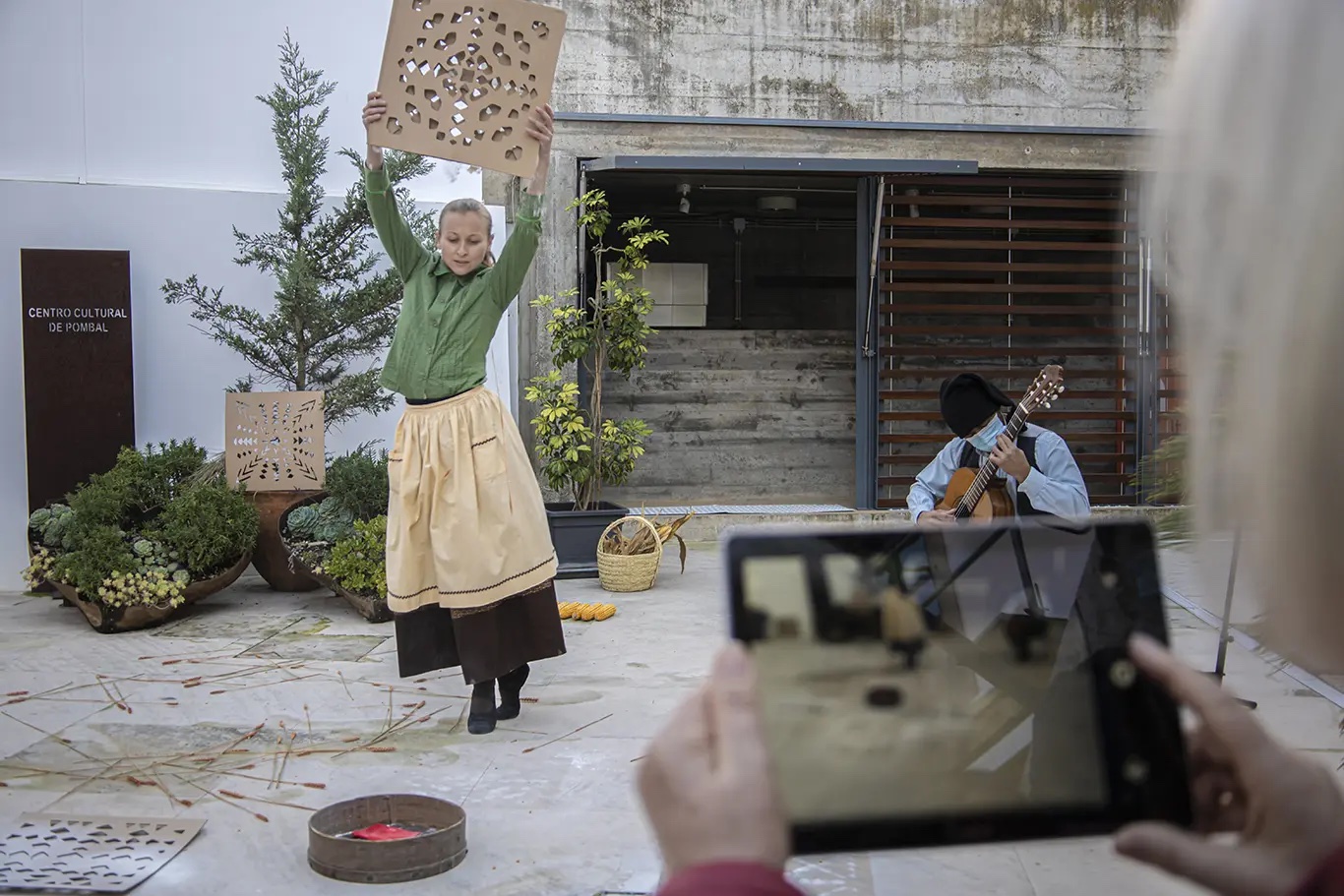
Fig. 1. Folgarosa vai ao Museu de Arte Popular Portuguesa, Performance e inauguração da obra coletiva de Folgarosa. Source: Gil de Lemos, museunaaldeia.pt/obras/folgarosa-vai-ao-museu-de-arte-popular-portuguesa.

Chapters

Introduction

This module introduces strategies to promote a culture of innovation in rural communities through attentive listening, creativity, and the appreciation of local knowledge. It presents digital tools and participatory methods that can support the process, alongside an inspiring case study. By the end, you are expected to feel motivated to develop innovative and sustainable actions with your community.

Culture of Innovation and Creativity

In this chapter, we reflect on the concepts and meanings of promoting a culture of innovation in community contexts. Beyond technologies and new trends, innovation arises from attentive listening, experimentation, and the recognition of local knowledge. You will be invited to explore the creative potential within your own community and to understand innovation as a collective, collaborative practice deeply rooted in the territory

Organizing an Innovative Space in the Community

This chapter invites you to reflect on how to create spaces—physical or digital—that foster the emergence of innovation. More than just infrastructure, these spaces require listening, trust, and inclusion. Strategies will be discussed to transform everyday environments into places for creative and participatory encounters. The proposal to create an Innovation Department within institutions will also be presented, as a way to institutionalize innovative practices and promote structured, collaborative, and sustainable participation.

Methods to Stimulate Collective Innovation

In this chapter, you will explore participatory methodologies that help transform ideas into actions. Tools such as design thinking, empathy maps, and co-creation workshops are presented as ways to encourage collaboration and collective solution-building. We will reflect on how to adapt these methods to the realities of each community, respecting local knowledge and practices.

Digital Tools and Innovation Platforms

This chapter presents digital tools that support the organization, monitoring, and collaboration of innovative projects. Featured resources include Padlet, Miro, Trello, and ClickUp, which are useful for recording ideas, planning actions, and encouraging collective participation. It also explores the strategic role of the Innovation Department in mediating these processes, ensuring that proposals are not lost but evolve with clarity and shared responsibility. The use of technology should be adapted to local contexts and always serve inclusion, active listening, and co-creation.

Sustainability, Collaboration, and Practical Application

This chapter reflects on how to make innovation feasible and lasting. Here, sustainability is not limited to the conscious use of resources but also involves listening to people, respecting local knowledge, and creating solutions that make sense to those living in the territory. Collaboration among different social actors is presented as a key element in turning ideas into ongoing practices.

Case Studies

In this section, we will explore two case studies that perfectly reflect the content covered in this module. Through them, we’ll discover two successful examples of innovation and creativity within specific social contexts: the Museu na Aldeia project from Portugal and Concomitentes from Spain.

Museu na Aldeia, Portugal

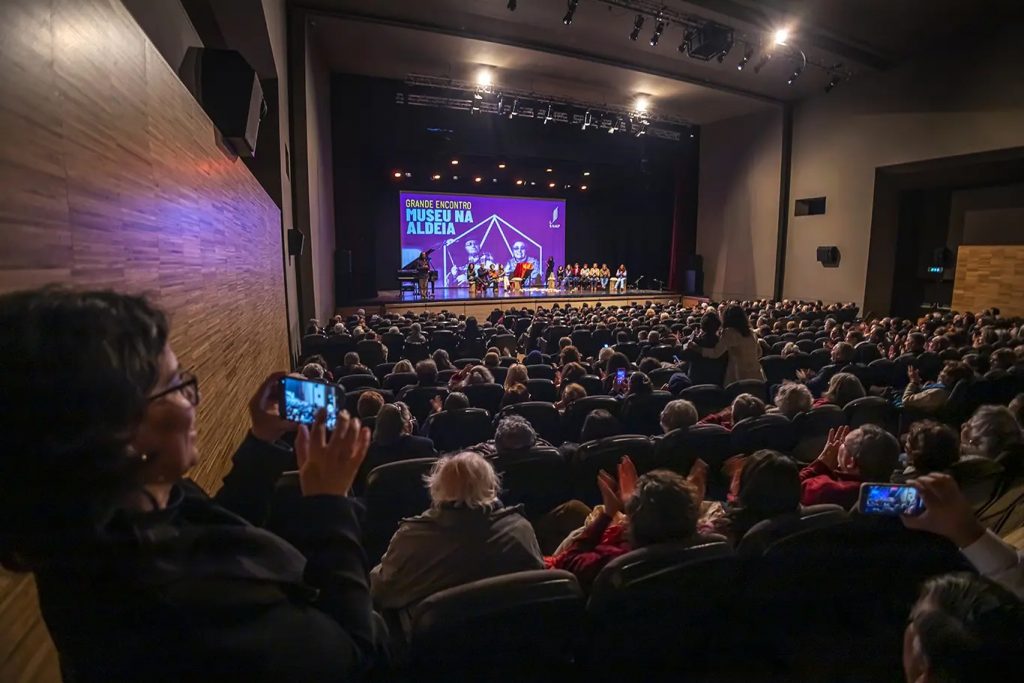
Fig. 3. Grande-Encontro, espetaculo musical apresentado pela equipa. Source: Gil de Lemos

The “Museum in the Village” project, carried out in Portugal, illustrates how urban museums can connect sensitively with rural communities. The initiative began with a provocative question: what if the museum came to the people? From this point of active listening, workshops, talking circles, and artistic creations emerged—rooted in local memories, affections, and knowledge.

Rather than delivering pre-packaged content, the project acts as a mediator between institutions and territories, fostering horizontal exchanges and relationships of trust. In line with the idea of “participatory museological innovation” (Eid & Forstrom, 2021), it breaks away from the top-down logic of cultural practices and embraces co-authorship.

“Museum in the Village” demonstrates that innovation can be simple: to listen, to welcome, and to create with what is already present. It is a powerful example of how a culture of innovation can arise from affection, deep listening, and genuine collaboration with communities.

Concomitentes, Spain

Fig. 4. Futurefarmers son as artistas seleccionadas por “Os contos do leite”. Source: Ana Escariz Pérez y Ana Moure Rosende

Concomitantes is part of a European network of organizations that promote and fund community-based projects which connect a community, town, or civil group with artists to carry out ideas that always respond to the needs and goals of that group. 

This project clearly demonstrates how to develop innovative initiatives with creativity as a guiding principle.

Self-assessment Tools

Self-reflection questions

Q1

Think about the spaces around you that promote innovation and creativity

Q2

Have you ever wondered where the ideas that truly transform a community come from?

Q3

Have you ever been part of a simple group conversation that sparked a powerful idea?

Q4

How can we make sure an innovative idea doesn’t get lost along the way?

Q5

How can we encourage a culture of innovation in a community?

Self-evaluation test

References

Barbier, R. (1998). A escuta sensível na abordagem transversal. In J. Barbosa (Ed.), Multirreferencialidade nas ciências e na educação (pp. 168–199). UFSCar.

Chesbrough, H. (2003). Open Innovation: The new imperative for creating and profiting from technology. Harvard Business School Press.

Demo, P. (2021). Educar pela pesquisa (10th ed.). Editora Autores Associados.

Eid, H., & Forstrom, M. (Eds.). (2021). Museum innovation: Building more equitable, relevant and impactful museums. Routledge, Taylor & Francis Group.

Freire, P. (2005). Pedagogy of the oppressed (30th Anniversary Ed., M. B. Ramos, Trans.). Bloomsbury Publishing.

Lambert, J., & Hessler, B. (2018). Digital storytelling: Capturing lives, creating community (5th ed.). Routledge.

Ostrom, E. (2012). Governing the commons: The evolution of institutions for collective action. Cambridge University Press.

Primo, J., & Moutinho, M. C. (Eds.). (2021). Teoria e prática da Sociomuseologia. Departamento de Museologia, Universidade Lusófona de Humanidades e Tecnologias. Tenório, F. G. (1998). Gestão social: Uma perspectiva conceitual. Revista de Administração Pública, 32(5), 7–23.


Additional Sources

museunaaldeia.pt

concomitentes.org

nouveauxcommanditaires.eu

neueauftraggeber.de

atitolo.it