3. “Raíces”: Empowering Community Narratives Through Collaborative Art

Section 1. Introduction

1.1. General Information

Name of the Initiative: “Raíces”
Location: Alcaudete, Jaén, Andalusia, Spain
Promoter name: University of Jaén, Master’s degree in Research and Aesthetic Education: Arts, Music, and Design
Type of entity: University
Ownership: Public

Contact and Communication Details:

“Raíces” is a research project initiated by the Master’s in Research and Aesthetic Education at the University of Jaén (Spain). The project is led by a working group of six students: Helena Bueno González, Jessica Buitrago Martínez, Carmen Rojas Mesa, Azahara Sánchez Lozano, María de la Sierra Torres Medina, and María de las Mercedes Torres Muril.

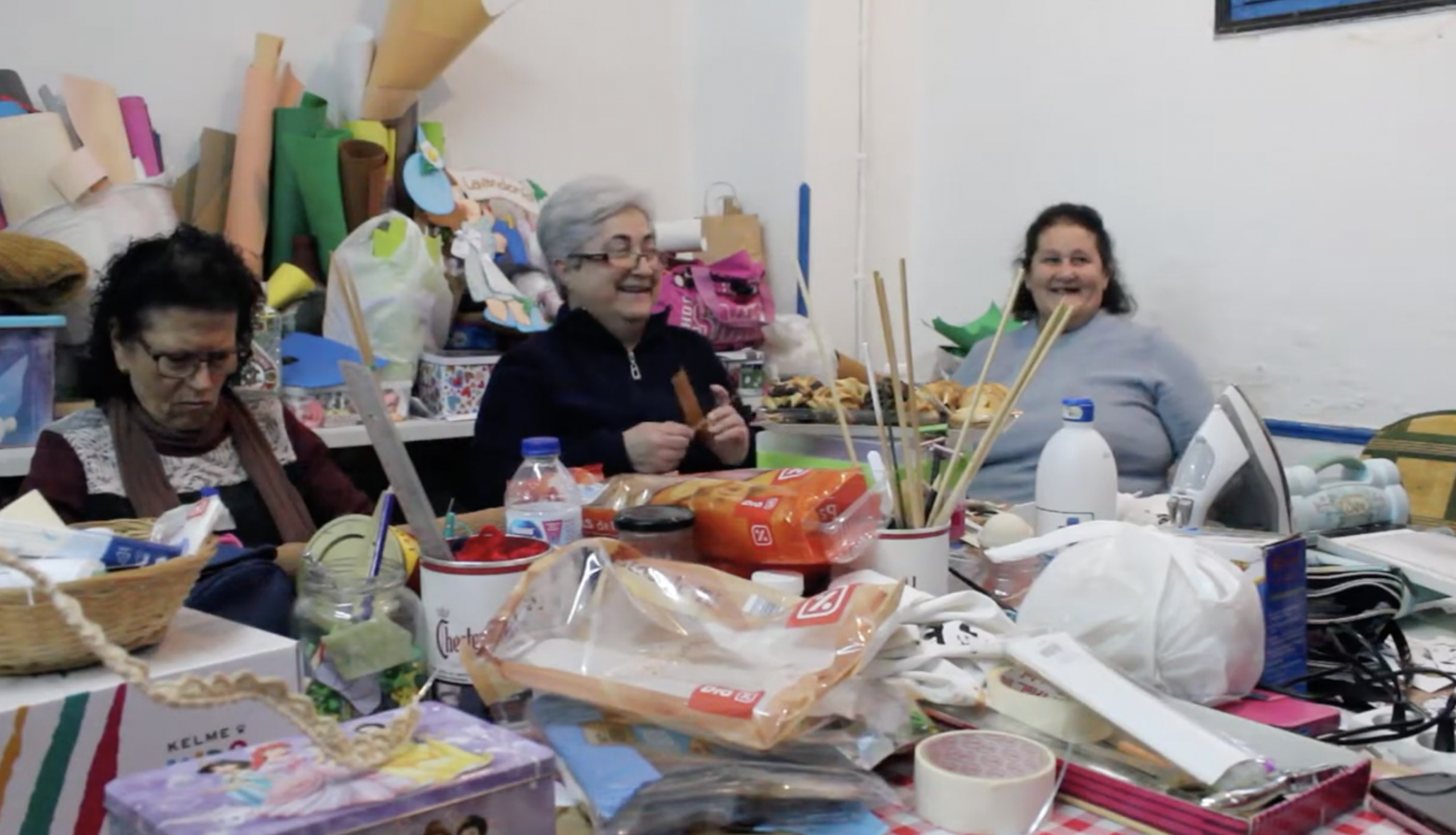
The project took place in Alcaudete, a town in the province of Jaén with approximately 10,000 inhabitants. The research group collaborated with the Fuente Zaide Neighborhood Association to empower the life narratives of its members. The aim was to help residents build resilience by exploring their origins, stories, memories, and local craftsmanship.

These personal and community narratives were then transformed into a digital format, culminating in a documentary video that captures the entire collaboration between the master’s students and the residents of Alcaudete. The documentary provides a detailed chronicle of the project’s development, highlighting the cultural and historical significance of the community’s stories and craftsmanship.
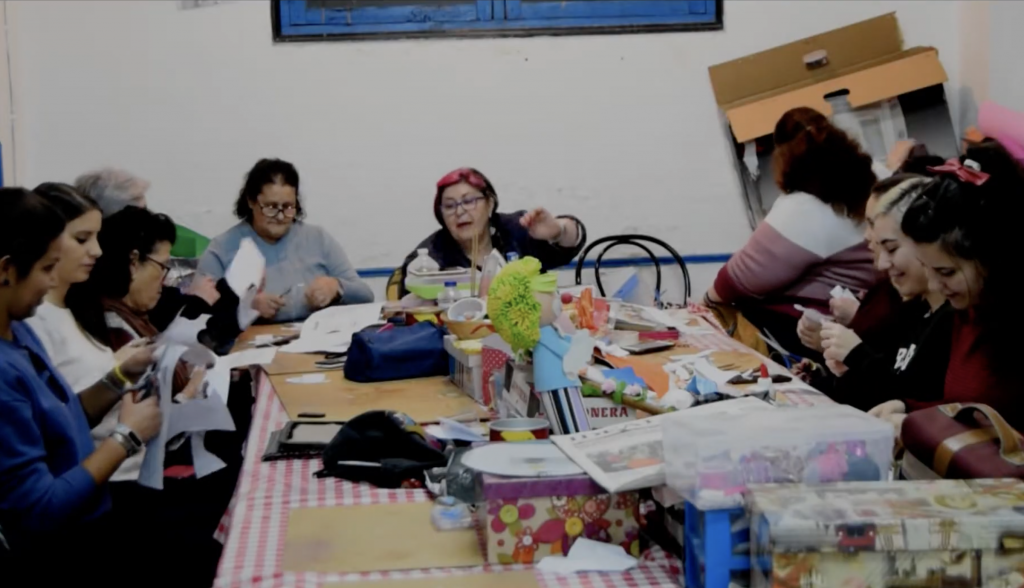
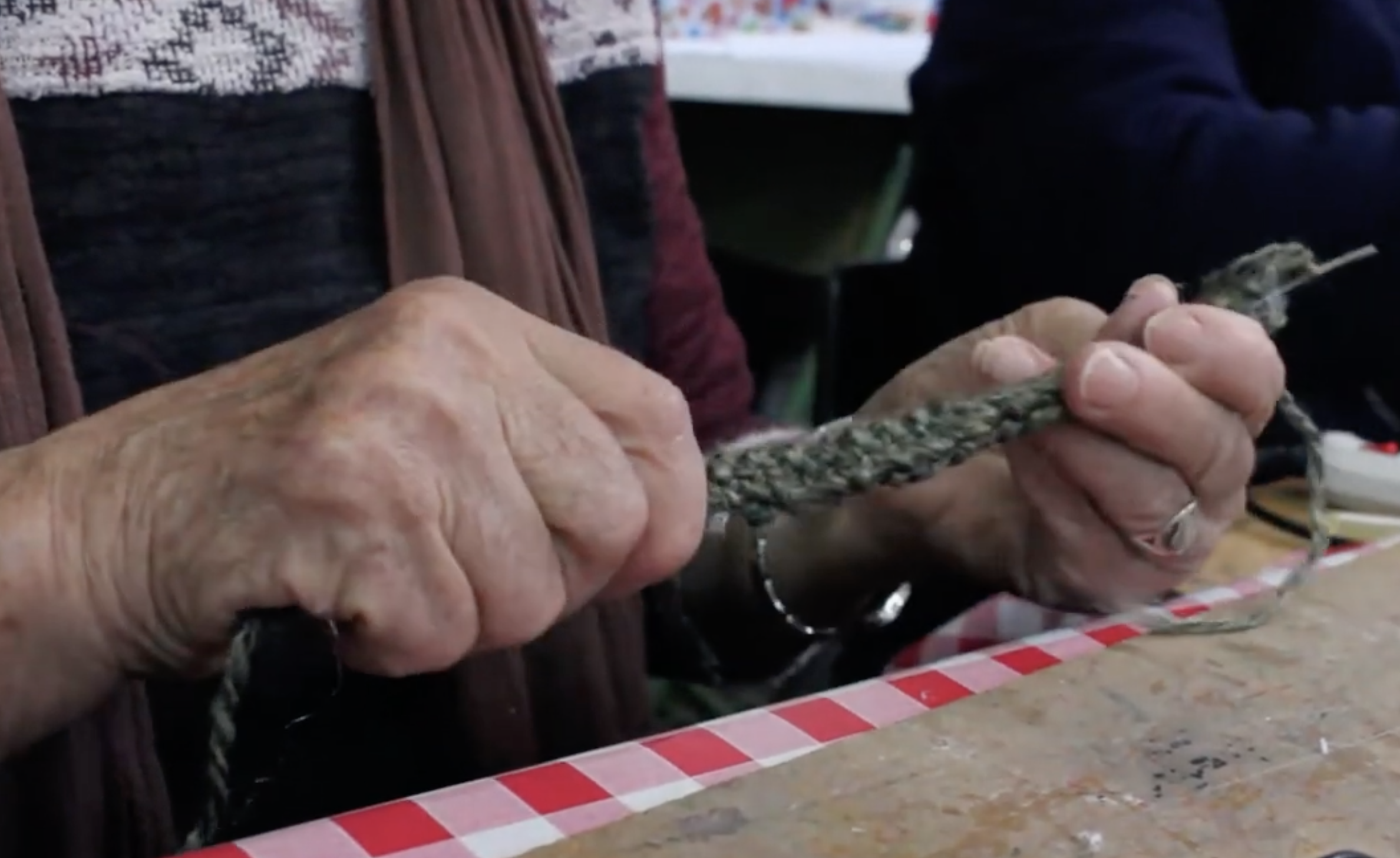
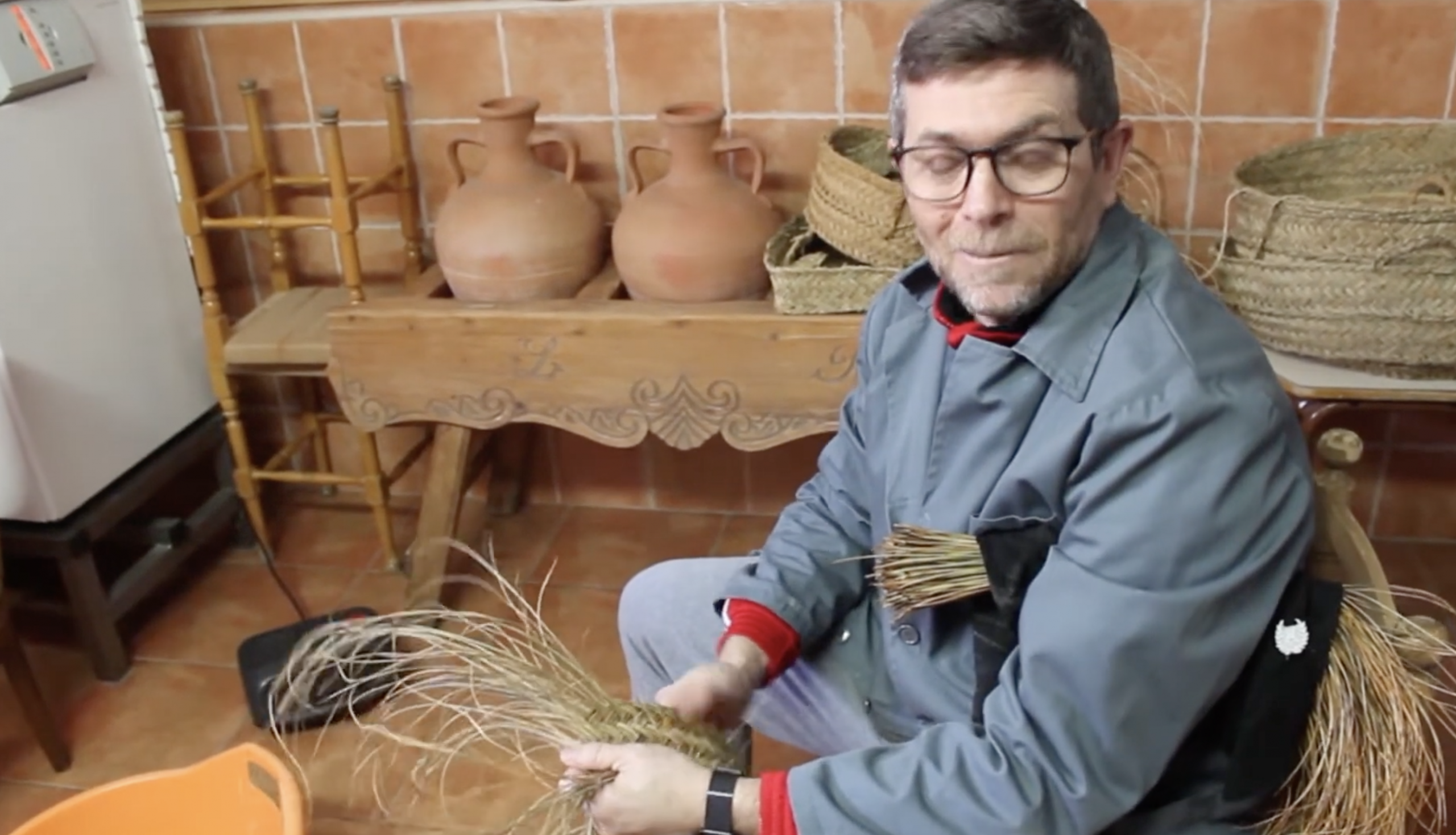
Community involved in the project sharing traditional craft weave. Source: Screenshot from YouTube video

1.2. Information about the initiative

Section 2. Description of the ICH involved

ICH Type:

Traditional craftsmanship

Created with Fabric.js 5.2.4

Oral traditions and expressions

ICH Recognition:

Community involvement in the identification and management of the ICH:

The “Raíces” project addresses two main areas of Intangible Cultural Heritage (ICH): life stories and traditional craftsmanship. The first aspect of the ICH involves the life stories of individuals within the community. These narratives, captured in the documentary video, cover a wide range of topics including the origins of the residents, the village’s history, work practices, agriculture, and olive cultivation. Additionally, the project includes popular songs that are part of the community’s cultural expression. These stories and songs provide a rich tapestry of the community’s collective memory, highlighting their way of life and the socio-cultural context in which they live.

The second aspect focuses on the traditions of craftsmanship. During the project, community members decided to create a work of art that encapsulated their stories. They employed traditional sewing techniques such as crochet, knitting, cross-stitch, and esparto grass braiding. These techniques, handed down through generations, are integral to the intangible heritage of craftsmanship in rural areas of southern Spain. By incorporating these methods, community members not only preserved their skills but also infused their personal and communal narratives into the artwork.

The historical and cultural value of this ICH is significant. It provides a window into the daily lives, practices, and traditions of the community, offering insights into their historical context and cultural identity. This heritage fosters a sense of belonging and continuity, connecting current generations with their ancestors.

The identification and preservation of this ICH were achieved through a participatory approach. The project was driven by the community’s input, with members actively contributing their stories and craftsmanship skills. The collaborative creation of the artwork and the production of the documentary video ensured that the ICH was accurately represented and preserved for future generations.

Traditional craft weave. Source: Screenshot from YouTube video
Workshop with experts in esparto craft. Source: Screenshot from YouTube video

Section 3. Narrative creation and adaptation to digital communication format

Process of content creation

How is it communicated in a digital format?

During the project, we identified two distinct roles: the storytelling was managed by members of the “Fuente Zaide” neighbourhood association, while the university researchers were responsible for the audiovisual production. However, both groups collaborated closely on creating the artwork, which allowed for a rich exchange of skills and experiences.

This collaboration enabled the students to experience local craftsmanship firsthand, gaining a deeper understanding of the community’s cultural heritage. The neighbourhood members shared their narratives and traditional techniques, which the students then captured through digital media. This process ensured that the stories were not only preserved but also adapted into a format accessible to a broader audience.

By working together, the community members and researchers effectively combined traditional storytelling with modern digital tools, creating a cohesive and engaging narrative that honours the local heritage. This collaborative approach enriched the project, making the final documentary a powerful representation of the community’s intangible cultural heritage.

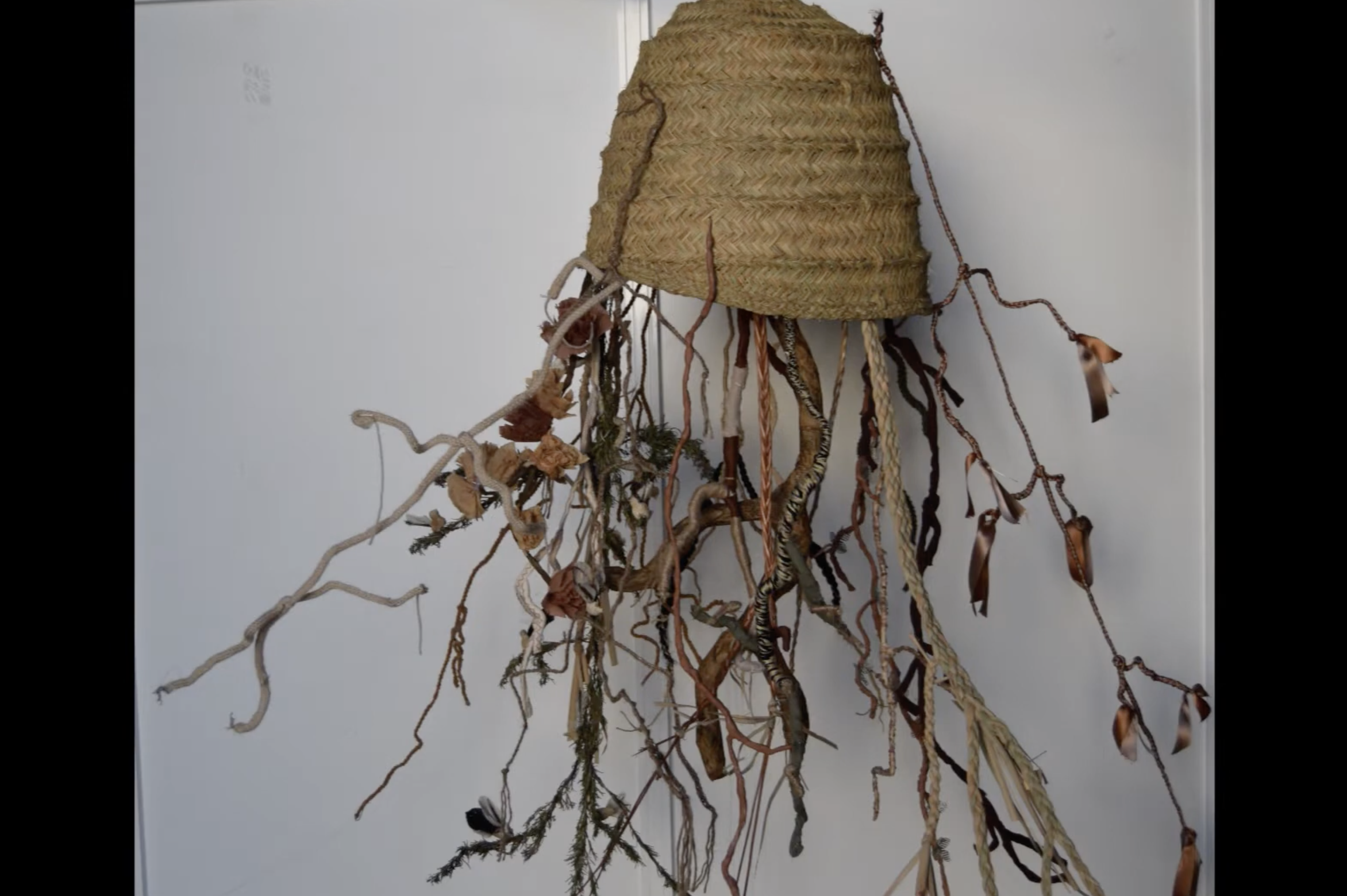
Final artwork. Source: Screenshot from YouTube video

3.1. Local Population

During the audiovisual production phase of “Raíces,” the local population played a crucial but more passive role regarding the use of digital tools, which were managed by the university researchers. Community members primarily served as interviewees and informants, effectively becoming the storytellers of the project. Their contributions were vital in providing the narratives and cultural context needed for the documentary.

Additionally, the project engaged local artisans, particularly those skilled in working with esparto grass. These artisans provided hands-on training to all participants, sharing their expertise in traditional craftsmanship. This involvement not only enriched the project’s content but also fostered a deeper connection between the participants and the community’s heritage.

By combining the local population’s storytelling with the researchers’ technical skills, “Raíces” ensured that the community’s intangible cultural heritage was authentically represented and preserved. This collaborative approach highlighted the importance of both traditional knowledge and modern digital tools in safeguarding cultural heritage. The active participation of community members in storytelling and craftsmanship training underscored their integral role in the project’s success, fostering a sense of ownership and pride in their cultural legacy.

Section 4. Audience and methodologies

Target audience: Local community, Cultural Heritage researchers/ professionals.

Reach:

Aim of sharing the stories:

Preserve traditions

Social cohesion

Frequency: Punctual activity

The dissemination of the “Raíces” audiovisual production was initially limited, with the documentary only being uploaded to YouTube. However, despite this modest online presence, both the resulting artwork and the documentary gained broader exposure through exhibitions. These works were featured in three exhibitions in Spain and one in Italy.

Specifically, they were exhibited at the Francisco Fernández Contemporary Art Center in Torreblascopedro (Jaén), the Old San Juan de Dios Hospital in Jaén, the Casa de la Cultura in Alcaudete (Jaén), and at the Tempio del Futuro Perduto Exhibition in Milan. This international and national exposure significantly enhanced the project’s reach.

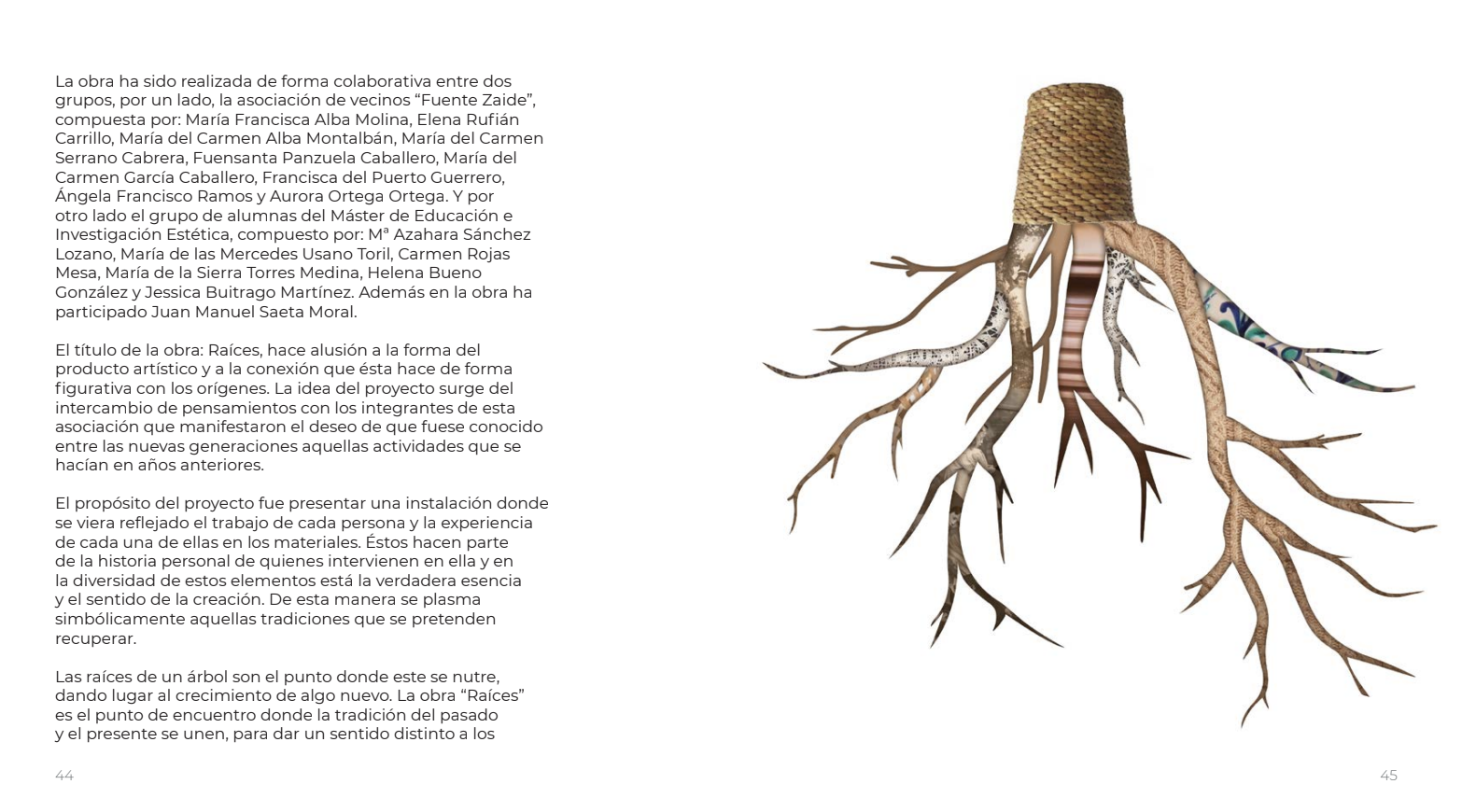
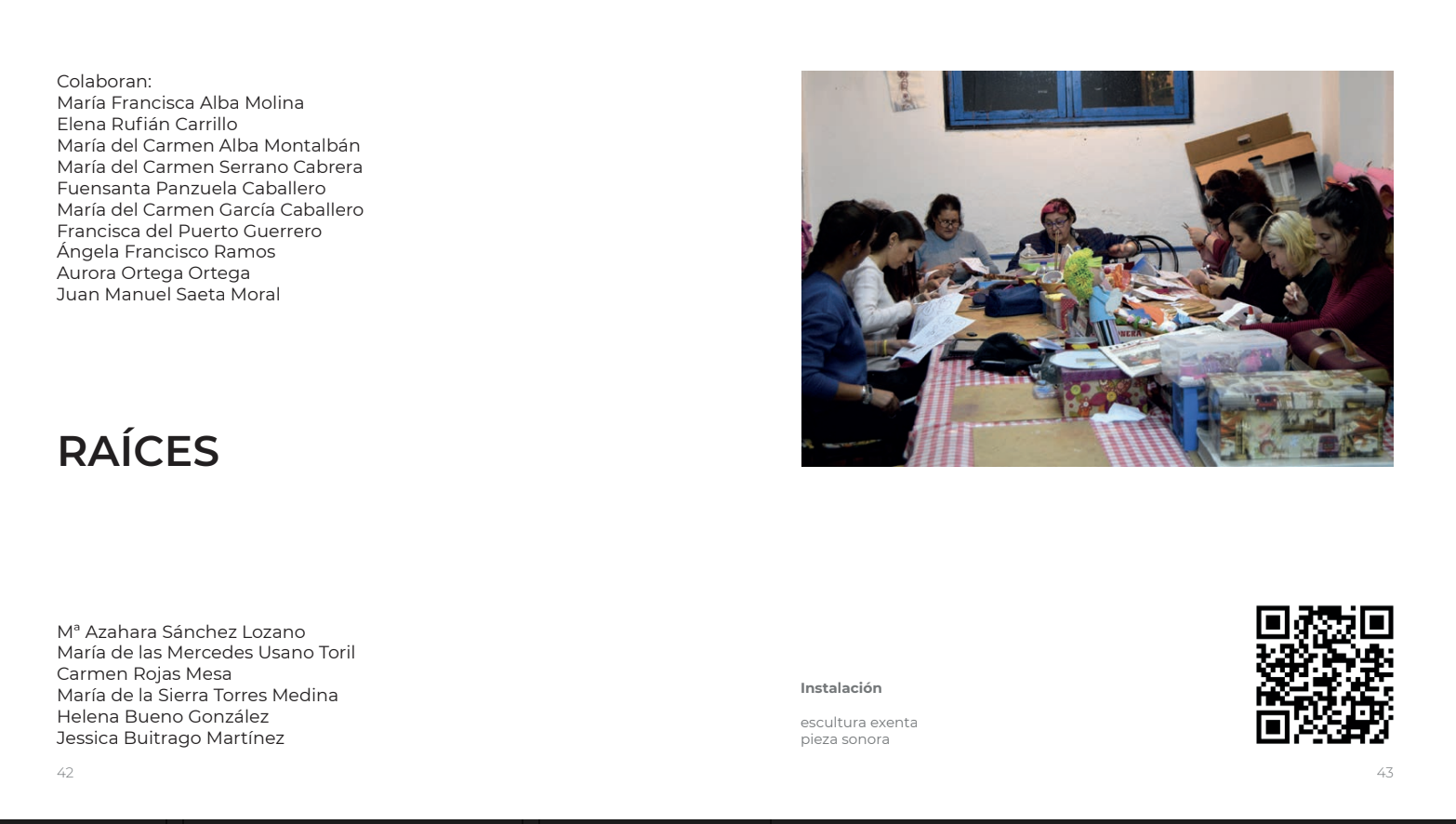
Additionally, a catalogue of the exhibitions was published in both print and digital formats. This catalogue, enriched with photographs, narrates the project’s process, providing a visual journey of its development. This combination of physical exhibitions and digital documentation ensured that the project reached a diverse audience, promoting the intangible cultural heritage it aimed to preserve.


Catalogue of the exhibitions. Source: Raíces’ Project managers

Section 5. Innovative aspects

The “Raíces” project stands out for its innovative approach to preserving and promoting the intangible cultural heritage of rural areas, which are currently at risk of disappearing. As Mercedes highlighted in the interview, “The globalisation of the market is seriously damaging local commerce and craftsmanship in particular.” This project addresses this issue by bringing much-needed visibility to these endangered traditions and crafts.

One of the key innovative aspects is the project’s potential to be resumed by public institutions for more continuous activity, thereby ensuring sustained visibility and dissemination of rural heritage. The project’s methodology, employed by researchers from the Master’s in Research and Aesthetic Education at the University of Jaén, is also noteworthy. By extending their work beyond the university campus and collaborating directly with rural communities, the researchers effectively address local needs.

The collaborative approach adopted by the researchers involves using artistic practices to foster community development and enhance local heritage. This not only preserves traditional crafts and narratives but also empowers the community by involving them directly in the process. Such an approach ensures that the community’s cultural legacy is not only documented but actively revitalised and celebrated.

Overall, the project exemplifies how academic institutions can play a crucial role in preserving intangible cultural heritage by partnering with local communities and employing innovative, collaborative methodologies.

Section 6. Impact

Impact on tourism:

Impact on local sustainable development:

Created with Fabric.js 5.2.4

SDG5. Gender equality

Created with Fabric.js 5.2.4

SDG11. Sustainable cities and communities

The “Raíces” project has had a profound impact through its process of social mediation conducted by university researchers and the empowerment it provided to the community through their own narratives. Interviewees frequently mentioned that the project significantly boosted the self-esteem of the group, with participation increasing over time. Initially involving 10 members from the neighbourhood association, the number eventually doubled, highlighting the project’s positive effect on community engagement and wellbeing.

The documentary produced as part of the project plays a crucial role in facilitating the resilience and adaptation of local heritage and narratives to a digital video format. This not only helps in preserving and disseminating intangible cultural heritage but also has the potential to attract tourism. Although the exact tourist impact is yet to be determined, the project’s innovative approach suggests that it could be highly beneficial if taken up by a specialist in the tourism sector.

Overall, “Raíces” demonstrates how academic-community partnerships can enhance cultural heritage preservation, foster community development, and potentially stimulate local economies through tourism. The project’s success underscores the importance of empowering local communities and adapting traditional narratives to modern digital formats for broader reach and impact.

This project contributed to the community’s well being. Source: Screenshot from YouTube video