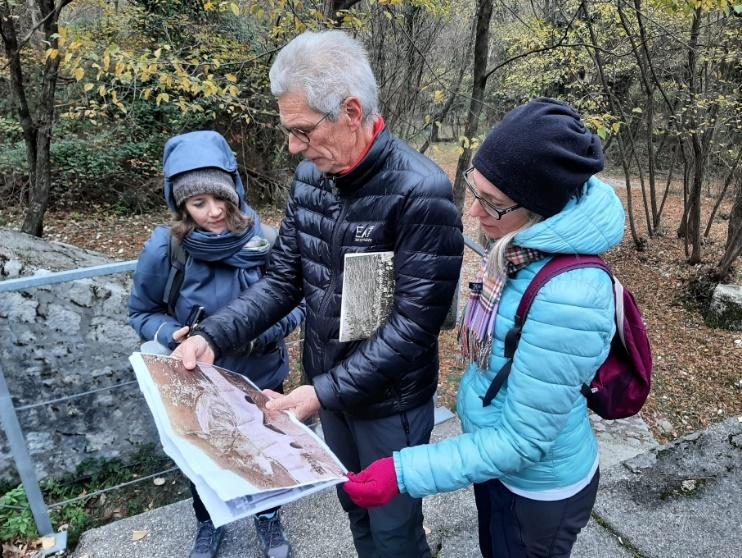

In this section, we will look at four local projects—two in Spain and two in the Netherlands—that successfully show how communities engage with initiatives where intangible cultural heritage contributes to both development and the well-being of their members
“Raíces”: Empowering Community Narratives Through Collaborative Art, Spain
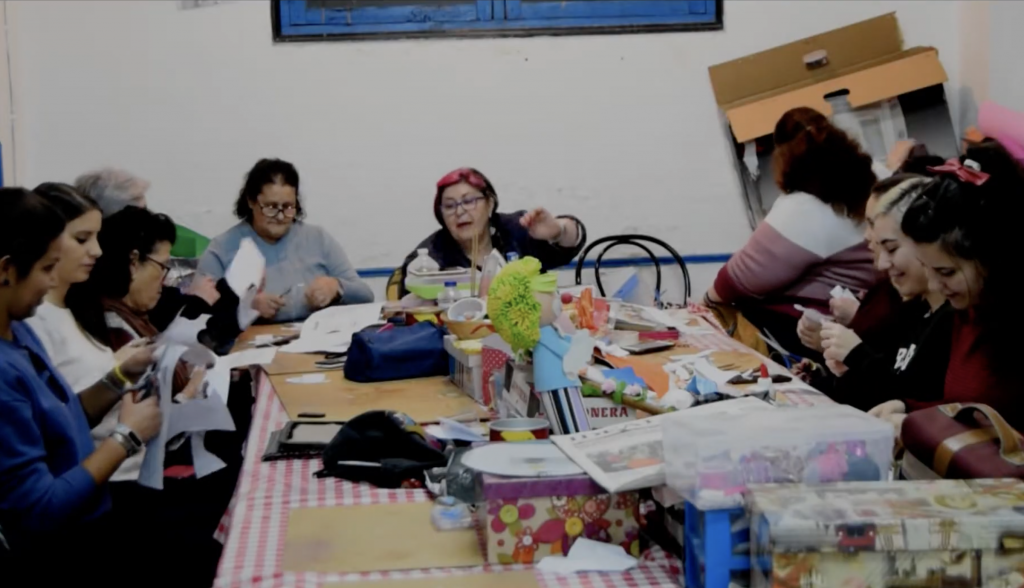
Raíces is a community research project led by Master’s students in Aesthetic Education at the University of Jaén, Spain. It took place in the town of Alcaudete, where local people were invited to share their personal stories, memories, and traditional crafts. Working closely with the Fuente Zaide Neighborhood Association, these stories were collected and turned into a digital documentary that preserves and celebrates the community’s intangible cultural heritage. Using participatory art and storytelling, Raíces helped bring people together, gave residents a stronger voice, and boosted local identity. By mixing traditional knowledge with digital tools, the project shows how working together can protect cultural heritage. It also highlights how partnerships between universities and communities can build resilience, encourage intergenerational connections, and support sustainable development — all of which can help promote local tourism and economic growth.
“Vientos del Tiempo”: Reviving Oral Traditions Through Theatre and Digital Media, Spain
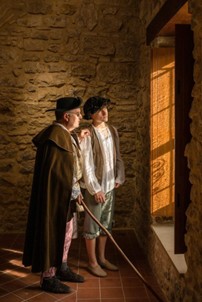
“Vientos del Tiempo” is a cultural project from Torredonjimeno, Spain, that brings local oral traditions and heritage back to life using theatre and digital media. This non-profit group gets the community involved through dramatized storytelling, guided tours, and audiovisual works to keep regional stories, customs, and historical figures alive. By mixing live performances with modern platforms like TV and social media, they make traditional tales fresh and exciting, especially for younger audiences. Some highlights include the “Tiempo de Navidad” series and teaming up with TikTok influencers to spread local history in fun ways. This project not only boosts cultural pride and links between generations but also helps tourism by making heritage experiences more accessible and engaging. “Vientos del Tiempo” shows how storytelling combined with digital tools can protect intangible heritage while building community spirit and supporting local growth.
Spotting Intangible Heritage, Netherlands Arnhem
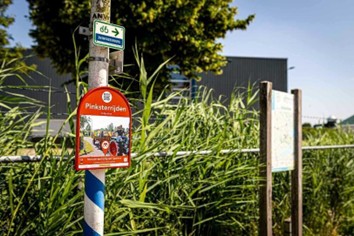
Spotting Intangible Heritage is a cool project run by the Dutch Centre for Intangible Cultural Heritage, part of the Ministry of Education, Culture and Science (OCW). Its goal is to get people across the Netherlands more aware of intangible cultural heritage (ICH). They put up QR codes in villages, towns, and cultural spots that visitors can scan to discover digital stories about local traditions and practices. What’s really special is how these stories are made: the Knowledge Center starts with a basic script, but then local communities add their own personal stories and experiences. This teamwork between residents, writers, and media pros makes sure the content feels authentic and engaging. By mixing tech with real community voices, Spotting Intangible Heritage helps bring local culture to life and gets people more connected to where they live.
The National Holocaust Museum
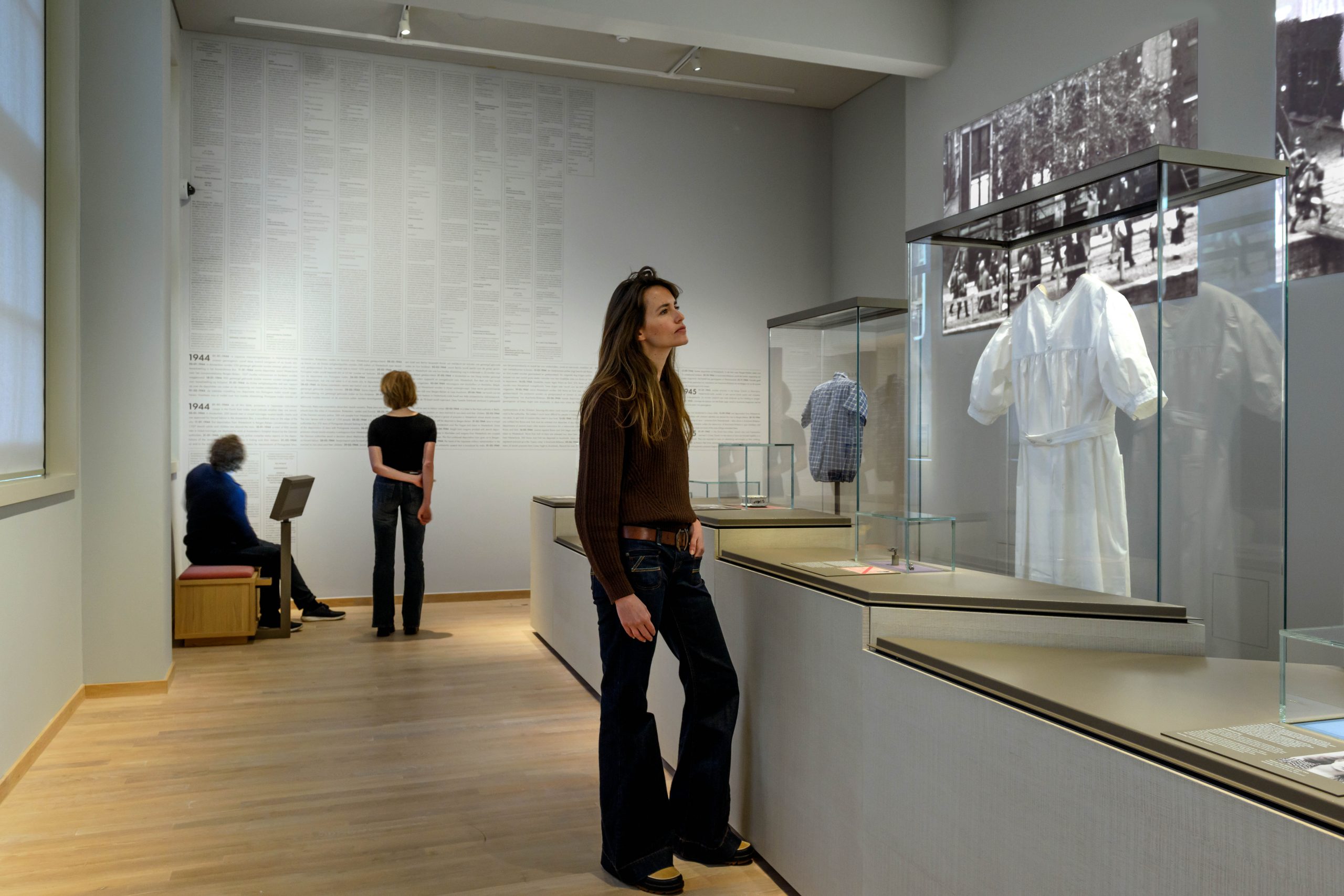
The National Holocaust Museum takes a hands-on approach by involving Holocaust survivors and their families directly in creating its exhibits. Survivors share their personal stories and experiences, which become a key part of how the museum tells its story. This teamwork helps keep the exhibits authentic and deeply moving, while also honoring the voices of those who lived through the Holocaust. It’s a way to make sure the museum’s message is respectful, meaningful, and truly connected to real people’s lives.